
The core framework is HEADCOUNT SKU STAIRCASE. Two travelers can start with Standard Double or Twin. Three travelers need to decide between a Double + Single layout and three Singles. Four travelers should move into a legal Family-type SKU. Five or six travelers should stop trying to stretch a four-person product and check Connecting or another legal suite returned for the selected dates.
- 2 travelers: compare Standard Double vs Twin and do not pay for unused family capacity.
- 3 travelers: decide whether two people will share a Double or whether everyone needs a separate Single bed.
- 4 travelers: compare a legal Family / 2-Double product, not a two-person headline rate.
- 5–6 travelers: search Connecting or another legal multi-person SKU returned after entering the full party.
- Swimming pool is a hard requirement: remove this hotel. The source explicitly says there is no guest pool.
Why headcount changes the product instead of simply increasing the price
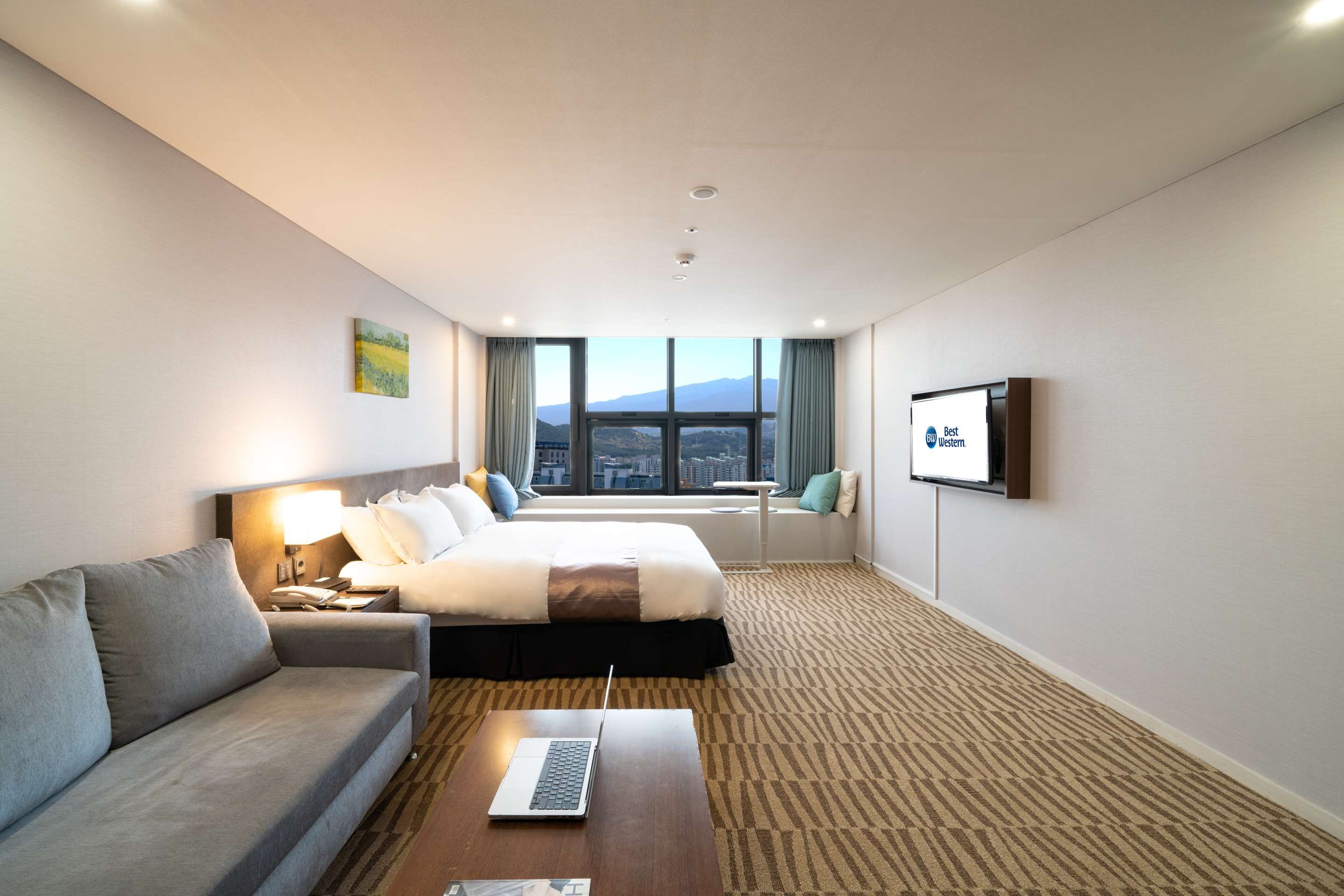
The source separates Standard Twin, Deluxe Twin, Deluxe Triple, Family-type products and Connecting inventory. A third guest can change the bedding topology; a fourth can move the party into a different family product; a fifth or sixth can require connected rooms or a larger legal suite. That means the correct denominator is not “room price plus extra-person fee.” It is the actual room SKU that legally fits the whole party.
Three travelers: Double + Single and three Singles solve different problems
For a couple plus one child, a Double + Single layout can work well. For three adult friends who do not want to share a bed, three Singles may be the only layout that actually solves the trip. Both can be sold as “three-person” rooms, but they are not interchangeable purchases.
Four to six travelers should compare doors and bathrooms, not only square metres
The source notes larger Family and Connecting products, including layouts that can add a separate sleeping zone or additional bathroom. For a family, two generations or a group of friends, that operational benefit can matter more than raw floor area. Count actual beds, separable sleep zones and bathrooms before judging the premium.
Near the airport helps, but it does not create a free shuttle benefit
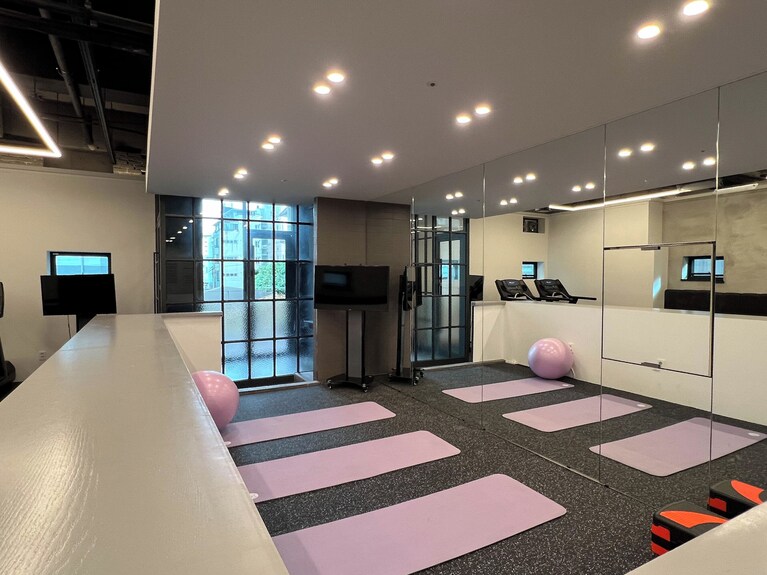
The source places the hotel roughly 3.5–3.7 km from Jeju International Airport, which makes it a natural first-night or last-night candidate. Treat that as lower transfer friction, not as a guaranteed free airport transfer. If you return late and only need a workable room, parking and city access, the lack of resort facilities can actually keep the product simple.
Compare exact-property contracts only after the room staircase is fixed
Use the same dates, all adult and child ages, exact room SKU, bed type, breakfast and cancellation. For groups of three to six, a cheaper platform result may simply be a lower-capacity product.
Booking.com — enter the full party, then match room and bedding
Agoda — compare the same Standard / Triple / Family / Connecting tier
Verdict
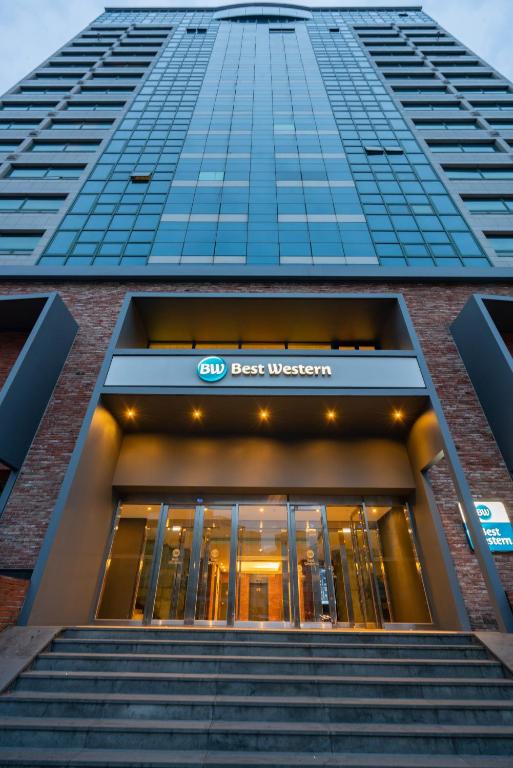
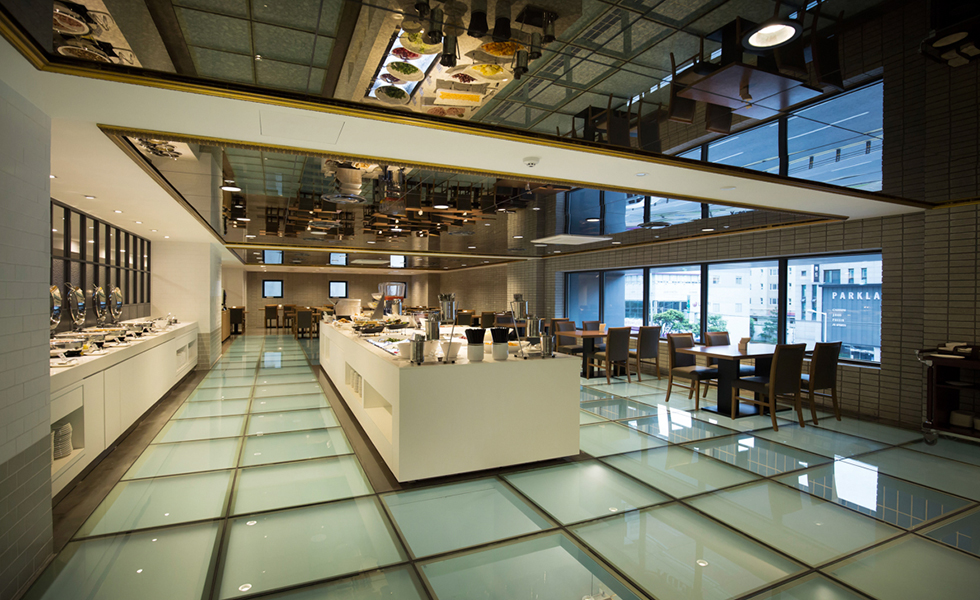
Best Western Jeju Hotel works best for a first or final night, drivers who value parking, and groups willing to solve the room topology before paying. It is a poor fit when a pool, beachfront setting or long in-hotel resort day is the actual reason for booking.
- Best Western Jeju Hotel official room, dining and facility information.
- Booking.com exact-property gallery and inventory.
- Agoda exact-property inventory.
- Trip.com exact property 2098321.