
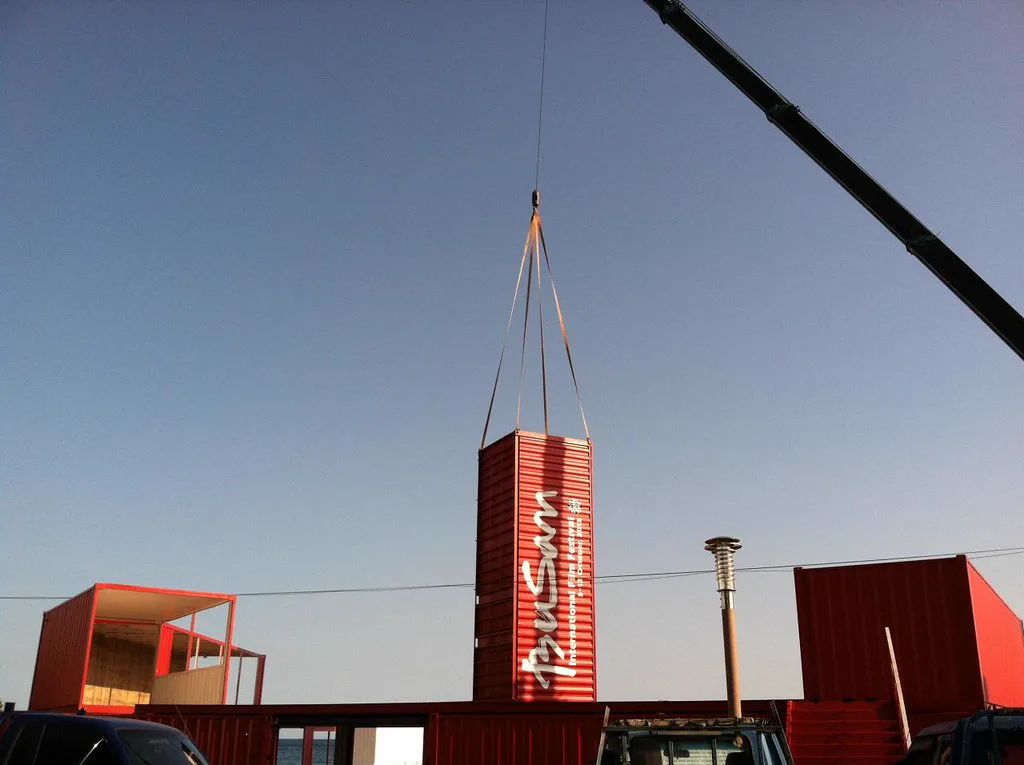
The 2026 Busan International Film Festival (BIFF) is scheduled for 6–15 October, while the 2026 Busan Biennale runs from 29 August to 1 November. Their October overlap is attractive if you want both films and exhibitions. The trap is treating everything as an easy city stop. BIFF centres on the Busan Cinema Center and selected cinemas; the Biennale is divided between Eulsukdo and Yeongdo. Four nights are not automatically too few, but they leave very few complete days in which nothing can go wrong.
First divide the itinerary into three types of day
- Screening day: One film or two? Do not insert a cross-city exhibition between two screenings.
- Biennale day: Eulsukdo and Yeongdo are not one afternoon. Choose one end first, then decide whether the other needs another day.
- Transfer day: Arrival, changing hotels, an early flight or a KTX transfer should not carry another time-sensitive event.
Only after filling these three columns can you see whether four nights truly leave two usable full days.
Four nights can work, but give up on seeing every venue
Four nights are often mistaken for four usable days. In practice, arrival and departure each take part of a day. If you come down from Seoul on day one and rush to an airport or KTX on the last day, you may have only two complete days. Filling both with three Biennale venues and several films turns the trip into a sequence of checking the next address.
A more realistic four-night version chooses one main event. If two screenings are fixed, select only one Biennale segment in the same direction. If the Biennale is the priority, keep BIFF to one evening screening. This is not merely doing less: it leaves time to eat, return to the room and wake normally the next day. Film schedules, sessions and exhibition details may still change, so leave deletable slots rather than declaring that you will cover everything.
Treat a BIFF day as a day nothing else can interrupt
Use BIFF’s official programme for individual screenings, ticketing and additional cinemas. With two screenings in one day, the gap near the Cinema Center is not free time for Yeongdo or Eulsukdo. Exiting, collecting tickets, finding food, entering the next screening and rain consume that gap. Either focus on films or add only something nearby that can be dropped at any time.
With only an afternoon or evening screening, the daytime may be available for the Biennale, but the venue direction still matters. Do not let “the film festival starts at night” guarantee that a cross-city afternoon will work. Once times are released, put the hotel, exhibition venue, cinema and dinner on one map for the same day. Two apparently free hours are often just enough to reach the next entrance.
While choosing the hotel base for screening days, use the BIFF accommodation guide for Haeundae/Centum City versus Seomyeon. That page handles screening density and the trip home after a film; this page does not pretend every Biennale venue is beside the Cinema Center.
Give the Biennale at least one full daytime—or choose one end
The Museum of Contemporary Art Busan is on Eulsukdo; Space OneZ and the former Busan Nambu High School are on Yeongdo. They all appear to be “in Busan” on a phone map, but they do not connect with a short walk. To see both ends, reserve a complete day free of screening times. With only half a day, choose either the Yeongdo side or Eulsukdo rather than splitting the day for the sake of a complete venue list.
If you want dinner around the North Port, Nampo or old city after Yeongdo, a west-side base is more natural. After Eulsukdo, if you return to the city and head in another direction the next day, Seomyeon often handles the transition more easily. These are not fixed recommendations because your screening times still need placing. The Busan Biennale venue-and-base guide separates this decision; choose which end to see before comparing hotels.
With five nights, one night can finally absorb changes
An extra night is not merely another attraction. BIFF sessions may wait for later announcements; the Biennale order may change with companions, weather or viewing pace. Five nights let one day absorb another screening, a return to Yeongdo, or no event at all. That is usually more valuable than filling every slot in four nights because it absorbs the small delays that actually happen.
Only with six nights or more does a split stay begin to have room—for example, the west side for Yeongdo and the Biennale, then the east side for concentrated film days. Moving hotel is not a reward. The second hotel must remove several repeated morning and evening crossings. First use one Busan hotel or a split stay and put checkout, luggage storage, check-in and the first event on one day. If that consumes half a day, the split must save something substantial.
Where to stay depends on which side owns more of the final leg
If you have many screening days and return to the Cinema Center twice in one day, Haeundae or Centum City begins to make sense. If Yeongdo and old-city days dominate and you want evenings by the port, Nampo is easier. If both sides appear once or twice, Seomyeon is often a flexible middle option, but it will not erase every cross-city journey.
Do not reduce these three answers to personal preference. Count the calendar: which direction has more evening finishes followed by an earlier first stop the next morning? That answer can select the hotel. For Seomyeon, read whether your cross-city days really use a Seomyeon base; for the coast, read Haeundae’s morning and evening routes; for several Yeongdo days, check whether Nampo supports your port-side evenings.
Remove the first and final nights from the events
When arriving from Gimhae Airport or by KTX from Seoul, or when luggage storage is not yet available, do not schedule a cross-venue exhibition day. Immigration, delays, transfers, check-in and luggage make the apparently free afternoon thin. One nearby film may work on the first night, but do not ask it to carry one end of the Biennale plus the opposite end of BIFF.
Count departure separately as well. Before an early flight, use how to protect the airport day with your final Busan night; if continuing to Seoul, check the actual KTX arrival and departure times. Event days do not move the station or airport closer. Once this is in the calendar, the difference between four and five nights is usually clear.
Agree with your companions first: who wants to see what?
Solo travellers can easily drop a film for another exhibition. In a group, one person may want only BIFF, another only the Biennale, and someone else may want a beach or market. This does not mean you must stay in the geographic centre. First decide whether everyone ends each day together, then choose the hotel base. If one person watches an evening film while another visits Seomyeon, regrouping in Seomyeon is easier; if everyone watches two films, returning to the east-side room will genuinely be used.
Do not accept “anything is fine” as the answer. List three screenings and three venues each, then remove what exceeds the trip’s capacity. Once the real priorities remain, a meal or walk outside the events will naturally find room.
A quick decision for four, five or six nights
- Four nights: One main event plus a small part of the other; protect one full screening day and one full exhibition day.
- Five nights: Keep a night to absorb changes in sessions, weather or viewing pace; do not rush into a split stay.
- Six nights or more: Compare whether splitting removes several returns during consecutive east- or west-side days; without repeat use, keep one hotel.
Use the BIFF 2026 announcement and official Busan Biennale site. Before departure, recheck films, sessions, tickets, venue opening, transport, hotel prices and cancellation terms. This page has no generic booking button because the number of nights and base come first; once both are clear, open Busan hotel comparisons for bookable candidates.
Information checked on 14 August 2026. This guide does not fill gaps with last year’s programme, unreleased films or imagined journey times.