
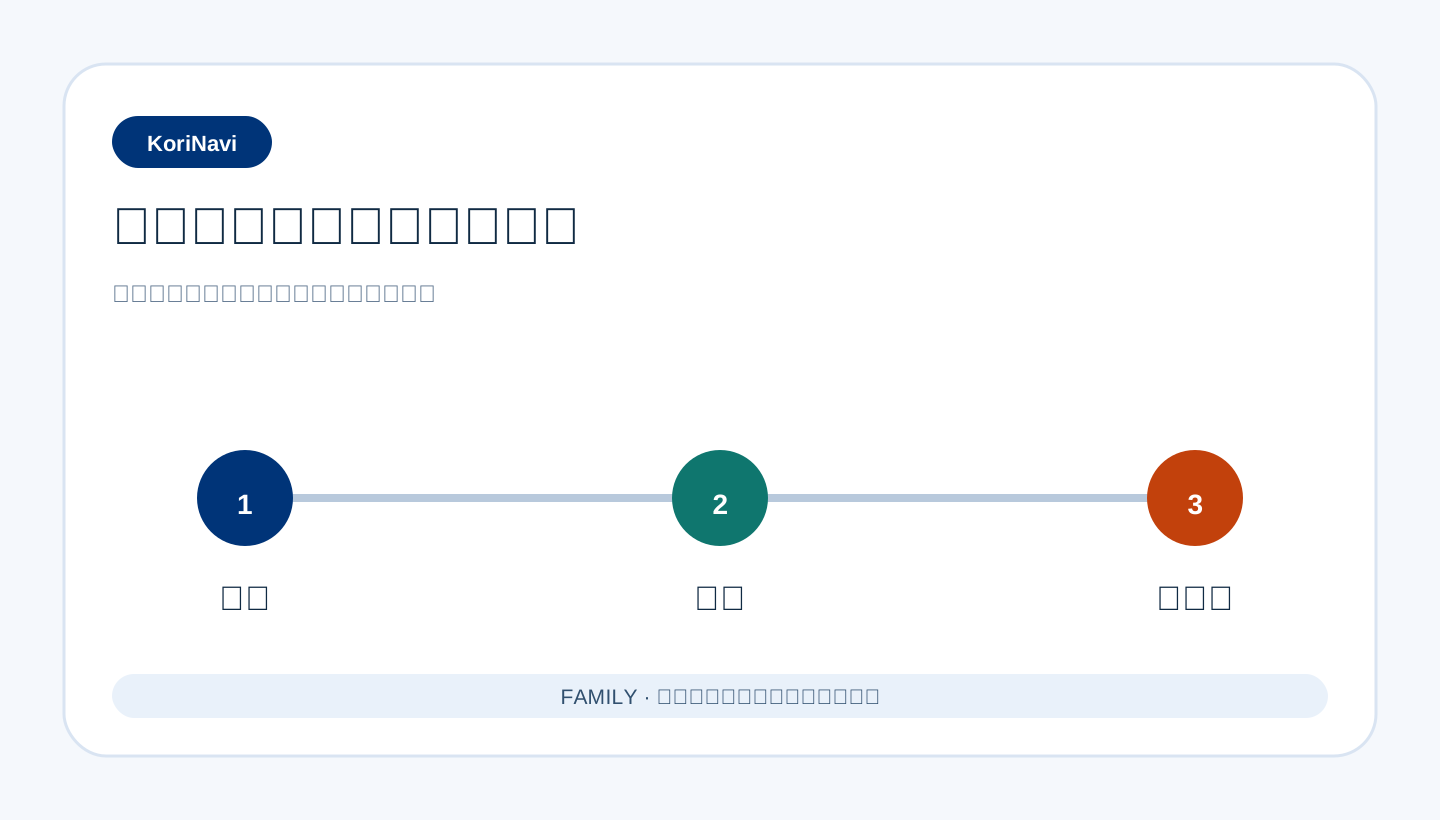
A three-day family trip to Busan is easily planned as a beach visit immediately after arrival, an old-city day second, then markets and shopping on the third. Every place looks close on a map, but children's sleep, meals, wet clothes, luggage, and trips back to the room keep interrupting the route. A plan that is easier to complete assigns the three days three different jobs: settle in after arrival, spend one complete day in one direction, then one complete day in the other. Whether the beach belongs on day two or the last day depends on your departure and accommodation—not on which photo caught your eye first.
First, Divide the Three Days into Three Blocks
- Arrival block: Handle check-in, dinner, and the children's bedtime. Add only a short nearby activity if arrival is early.
- Full-day block: Give it to the direction you want most. The western old city and markets form one block; the coast and eastern side form another.
- Departure block: Checkout, luggage storage, the airport, or KTX already occupies part of it. Do not treat it as a second full day.
Day One Is for Getting Everyone into the Room Smoothly
After coming from the airport or station, adults often feel that “there is still an afternoon.” Children experience time differently. Getting off, finding a restroom, eating something, checking in, and unpacking clothes already form a complete sequence. If the first night is in Seomyeon, nearby dinner and shopping can be the buffer. If it is in Haeundae, count the beach as an arrival reward only when the family will genuinely stay there for dinner and a walk. Day one does not need to prove which attraction you visited. It is more useful if nobody wakes on day two having lost patience because of a rushed first evening.
For a late arrival, start with Seomyeon or Haeundae for the first night in Busan; it deals with luggage and the final arrival leg. If the accommodation area is still undecided, do not book three nonrefundable nights yet because the direction of days two and three can still change the answer.
Save the Coast for the Full Day with the Most Energy
A beach visit is not just one photo. With children, sand, washing, changing clothes, lunch, escaping the heat, and going out again can stretch half a day into a full segment. If day two is the only full day without checkout or an onward journey, Haeundae or the eastern side usually fits best there. You can return to the room at midday, eat again in the evening, and avoid forcing tired children across the city.
The coast can be left until the final day, but only when departure is late enough, luggage storage is settled, and everyone accepts that the beach is the day's one activity. Returning for luggage just as the morning becomes enjoyable rarely feels like a reasonable rhythm to a child. To decide whether Haeundae should be the base, first read Seomyeon or Haeundae with kids. It solves the return-to-room question; this page places that return inside a three-day calendar.
Do Not Sneak Haeundae into the Western Day
Keep the markets, harbor, old city, and the places you want to eat within one western day. When children tire, you can sit down; when it rains, you can switch indoors; after dinner, you do not immediately need another long ride. This leaves more room than visiting one western stop in the morning and forcing a coastal trip into the afternoon. Children do not experience a transfer as rest merely because the destination is famous. Guarding one side for the day creates space to stay longer when everyone wants to.
With a Seomyeon base, returning to the room on this kind of day is easier. From Haeundae, treat it as the genuine cross-city day and do not add another seaside activity in the evening. Nampo may also deserve comparison if everyone wants dinner and a walk after the old-city day, but a three-day family trip does not need Seomyeon, Nampo, and Haeundae all to become sleeping locations. One Busan hotel or a split stay checks whether a second base really removes several return journeys.
A Rainy Day Is Not a Reason to Pack Every Indoor Attraction into One Day
The original coastal day does not necessarily need to be abandoned when it rains. First keep the day on the same side, with somewhere to sit, eat, or return to the room early. If the next day clears, consider moving the complete coastal day there. What truly exhausts a family is crossing the city at noon in the rain to chase another indoor stop, then carrying wet shoes back to a hotel in a completely different direction.
How to change a Busan itinerary when it rains provides indoor alternatives. Do not treat it as a list that must fill all three days in advance. Prepare one replaceable half-day for the west and one for the east; leave the remaining space for meals, returning to the room, and moving more slowly.
A Three-Day Trip Needs a Hotel Change Only in These Cases
There is a reason to handle the final night separately when the first two nights already serve continuous seaside time but the third night precedes a confirmed early flight or station journey. Another valid pattern is arriving too late to do more than stay somewhere easy to reach, then beginning two consecutive eastern days on day two. Otherwise, changing hotels on a three-day trip easily consumes children's usable time with checkout, luggage storage, and waiting for a room.
If the last night leads to an early flight, work backward from where to stay before an early flight from Gimhae Airport, rather than choosing an area because it “feels closer.” Recheck the number of rooms here as well. If the child sleeps early while two adults still need to pack, or if two rooms may be necessary, one room in Haeundae or two rooms in Seomyeon separates that pre-payment decision.
A Three-Day Framework You Can Change
Day one: Arrive, check in, and eat nearby. Add one walk only if arrival is early; do not reserve a distant attraction.
Day two: Give a complete day to the side the family wants most. Choose the coast if the children want sand and a midday rest; choose the west for food, markets, and the old city.
Day three: If departure is late, do a small part of the other side. If you leave early, stay near the accommodation area and use only confirmed transport. Unfinished attractions are not failure. Eating, returning to the room, and leaving on time make a three-day trip feel more like travel than racing across both sides.
Mid-Funnel Is Not a List of “Related Articles”
Once the three-day framework is set, the next question is not another attraction. It is whether the coast should be the accommodation base, whether two rooms are needed, and whether transport justifies changing area on the last night. These are mid-funnel decisions: they turn itinerary wishes into filters you can pay for. If day two uses only half a day at the coast, return to the Seomyeon-versus-Haeundae base decision. If the beach continues into dinner and the following morning, examine Haeundae room types. The links sit here because the reader now knows which hours will genuinely be used.
Likewise, room count should not appear the moment somebody searches “three days in Busan with kids.” Once the base is narrowed, confirm whether one room lets the child sleep, the luggage stay open, and both adults continue their tasks. That is the useful next step. It produces fewer jumps between pages while allowing each page to narrow the next question.
If you eventually find there is only one full day, delete the other side. Do not force it back merely because a three-day itinerary appears to require three days of content. A full table does not give children more energy. Leaving one block open makes dinner calmer, creates less confusion and pressure after returning to the room, and usually helps everyone sleep better.
Compare Rooms Only After Choosing the Direction
With the itinerary framework complete, use the Busan hotel comparison for your actual dates, group size, bed layout, and cancellation terms. This page does not add generic photos of children or beaches because they cannot tell you whether the room remains reachable in rain or whether the luggage fits. Content checked August 14, 2026; recheck transport, attractions, room types, check-in, and weather before departure.