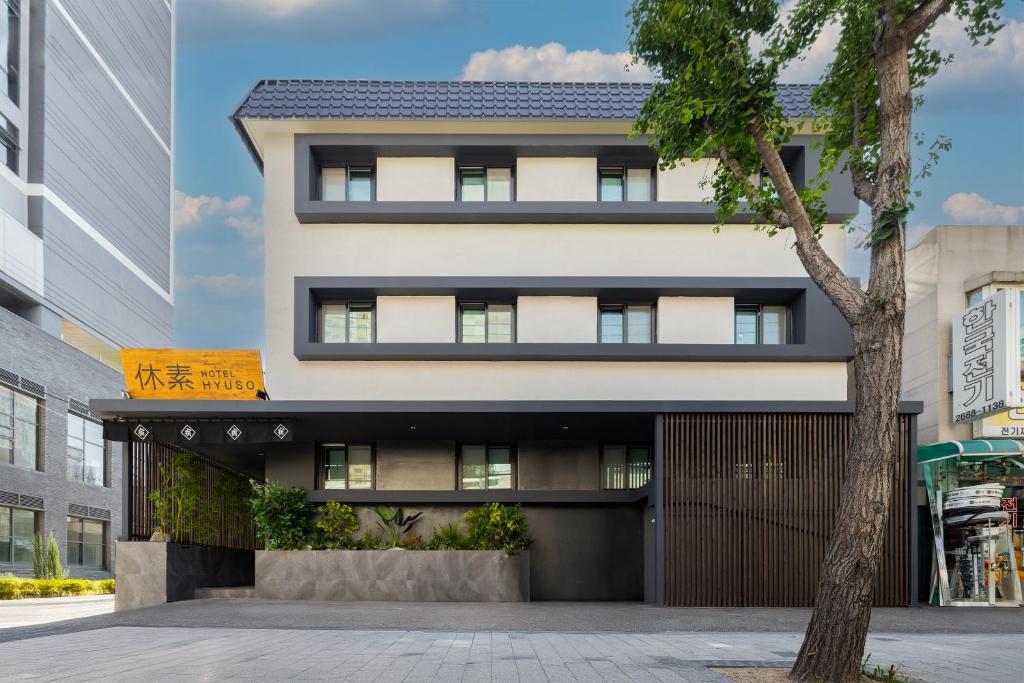
30-second verdict: If your concert, baseball game, or work is around Gocheok or Guro, and the last thing you want is crossing half of Seoul after the event, Hyuso’s location and small-hotel pace may be more practical than staying in the most popular district; if this is your first time in Seoul and you’ll be moving between neighborhoods all day, the money you save on the room may be offset by transit and coordination costs.
Don’t let “Seoul accommodation” hide where you actually need to be at night
Hotel Hyuso Guro is in the Gaebong-ro area of Guro-gu, with the platform-listed address at 23 Gaebong-ro 19-gil. On a map, it is still in Seoul; but “still in Seoul” is exactly the kind of Barnum-style description that leads people to misjudge a stay: some travelers need to get back to the room quickly after an event, some need to reach the office in the morning, and others need a base that makes first-time sightseeing and transfers easy every day. One city label cannot satisfy all three.
If you have already planned a Gocheok Dome event, or if work on the southwest side takes up two or more days, shifting your stay west can reduce the hardest return trip of one of those nights; the value is not how lively the area looks nearby, but that you do not have to stack post-event crowds, rideshares, transit, showering, and an early next morning into one cross-city move. On the other hand, if you are only drawn in by the room rate but are trying to squeeze Gyeongbokgung, Myeongdong, Hongdae, and Seongsu into three days, go back to the Seoul hotel comparison map and check your accommodation base first—don’t talk yourself into it just because it is cheap and still in Seoul.
After a Gocheok event, the loss is more than just one extra ride home
When you are looking at a live event, the distance on a booking page can make a few extra stops seem insignificant; the real difference appears after it ends. You may be in a long exit line, your phone may be dead, you may have lost your group, you may be carrying merch, or you may simply have no energy left to figure out another transfer. In that moment, staying on the side of the city closer to the event means less time spent making new decisions, not a promise that every minute will be the fastest. Transit time, exit controls, and last-train arrangements still need to be confirmed in advance using organizer and official transport information.
This is a case where loss aversion should be applied in the right place: do not be afraid of missing a hotel that looks nicer downtown; instead, weigh which night’s energy you least want to lose. If you do not mind heading to Hongdae for late-night food after the show, Hyuso may not be the right fit; if you know you will go straight back to the room, still need to sort out merch, or will continue around Guro the next day, staying a little farther out may not actually feel that far. If you want to plan the event day and accommodation base together, start with how to judge lodging for a Jamsil performance day, but do not apply a Jamsil answer to Gocheok.
Its Japanese-style inn feel is not a universal advantage; first check the room functions you actually need
Hyuso’s visual style and small-hotel setup may appeal to travelers who want a quiet shower and an early night after an event; but do not assume the photos, bath, and “relaxing” feel apply to every room type. The exact room name you select on the platform determines the bed type, whether there is a private bath, window availability, maximum occupancy, and cancellation terms. Especially for two people, “fits two guests” does not mean luggage, late-night unpacking, and different sleep schedules will all feel comfortable; that will affect your stay sooner than the design style does.
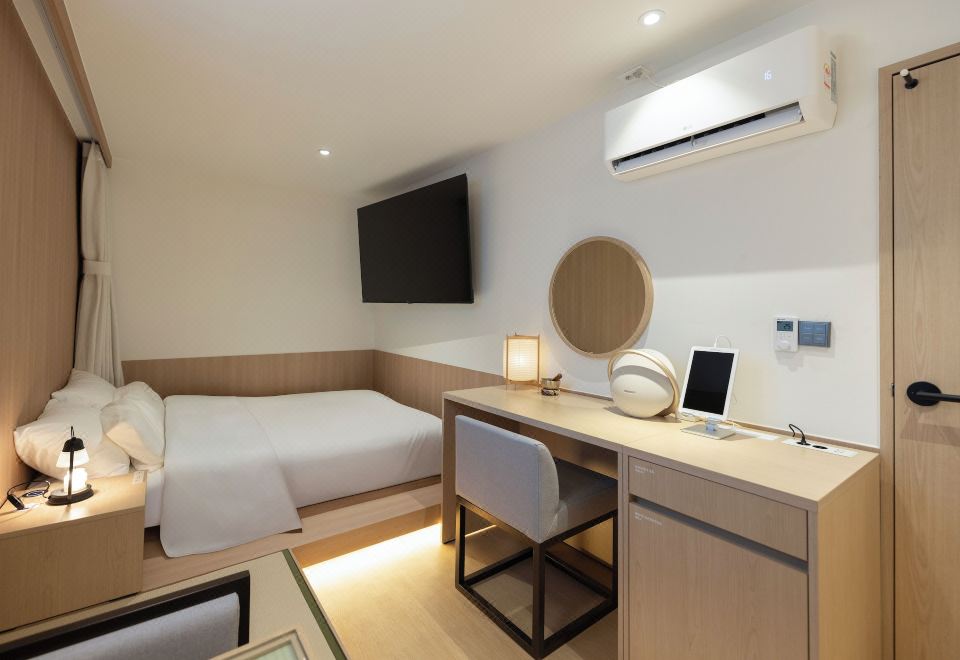
The most common disappointment is thinking you booked a post-concert resting base, only to realize at check-in that the space or bathroom setup does not suit you. First check whether you want separate beds, whether you need a bathtub, whether you can open your luggage in the room, and whether you need a desk in the morning. If three people or a family are traveling together, start by using the Seoul triple-room bed type checklist to rule out unsuitable options; do not let a good-looking photo make up features the page never promised.
Self check-in removes one source of stress for late arrivals, but it also adds a task you must complete in advance
Self check-in at a small hotel can be convenient for late flights, delayed events, or anyone who wants to avoid waiting at the front desk; but it is not the same as “no preparation needed.” Before the day arrives, confirm the check-in instructions, the spelling of the booking name, access code or machine operation, whether there is someone you can contact, and who in your group is holding the booking details. These may seem like small steps, but they help prevent discovering too late that you have not prepared for internet access, language issues, or ID details.
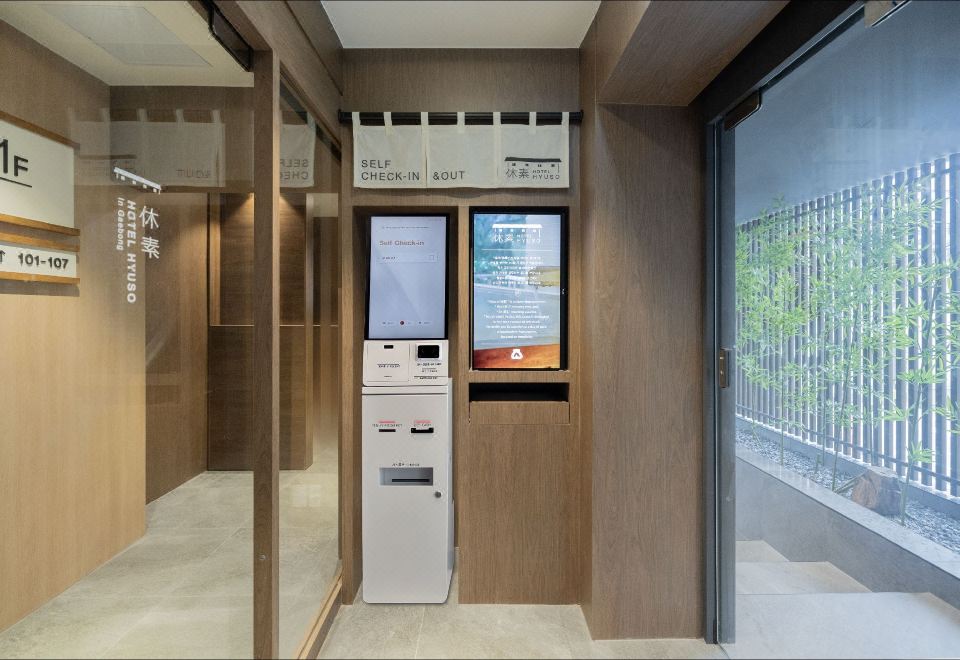
The “endowment effect” does not need to be dressed up as a dramatic countdown here; its job is to leave room for the one step that really needs finishing. Don’t just save Hyuso to your favorites—take the event end time and write down three answers: how you get to the hotel, who holds the booking, and what you will do if you arrive late. Only if you can answer all three is it worth comparing prices further; if even one is unclear, a cancellable plan is more useful than saving a few hundred won, because it leaves room to fix the itinerary.
A private bath is appealing, but it is not a reason to excuse the wrong location
Some room types or plans show a Japanese-style bath, and that can make a post-event shower feel more ritual-like; however, it is only an advantage if you will actually use it and if the exact room type truly includes it. If you spend the day away from the hotel and still want to return to Hongdae or Myeongdong at night, the idea of a bath does not cancel out the cross-district travel. On the other hand, if you are already staying on the Guro side for multiple nights and do not plan to rush off again after the event, then this kind of space may become a reason your body can actually stop and unwind.
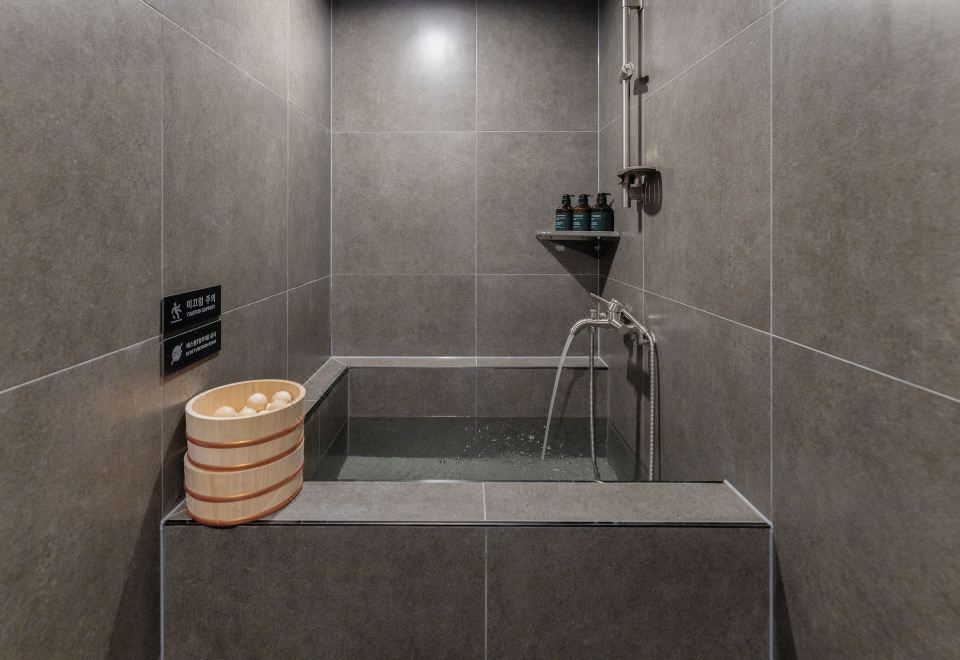
And don’t assume “good for relaxing” means it works for everyone. Travelers with children may care more about bed arrangements and breakfast; business travelers may care more about the morning route and a work desk; solo travelers may prioritize late-night returns and transfers. None of these are questions an overall hotel rating can answer for you. If you are worried about sleeping badly or are sensitive to air conditioning and noise, check Seoul hotel sleep-condition checks again and separate the room itself from the location.
Don’t just ask whether you can get to Myeongdong; ask whether you will be making that trip every day
Technically, any accommodation in Seoul can get you to Myeongdong. That is not wrong, but it rarely helps you decide. What you really need to see is whether that trip will happen during the part of the day when you most need to conserve energy. If you only go to the city center once, staying in Guro is not necessarily a disadvantage; if you are leaving from the southwest side every morning and returning there every night, the accumulated transfers, waiting, and coordination with companions are more than just a line on the map. Especially on your first independent trip, do not confuse “can get there” with “is a good base.”
Compare it with the trade-off of budget stays in Yeongdeungpo: both may appeal to travelers who want to save their room budget for other parts of the trip, but whether they are worth it depends on whether you are actually using the southwest side in your itinerary. If your subway routes are still uncertain, mark the three latest-ending destinations first; Hyuso should only stay in the final shortlist if at least one of them points toward Gocheok, Guro, or nearby areas. This is not about taking away the cheap option—it is about preventing a low rate from turning into a time cost you pay every day.
Finally, do not treat your companions’ “either way is fine” as confirmation. Ask each person which return trip they least want to endure; when the answers differ, prioritize the person who needs to sleep early, carry luggage, or keep a fixed schedule the next day.
On the night after the event, the room doesn’t need to be luxurious, but it does need to close immediately
On a Gocheok concert day, it is easy to reduce the decision to “is it close to the venue or not,” but the real fatigue usually happens between leaving the venue, crowds, dinner, and getting back to the room. If you are traveling alone or with one other person, being able to shower, sort out fan gear, charge your phone, and head out again the next day without passing through a busy shopping district is often more useful than lobby design. Hyuso’s small-hotel feel suits a room that functions as a post-event reset point; if your companions care more about public facilities, full front-desk service, or late-night options, do not use “affordable” to make up for features it doesn’t offer.
In the end, decide with two itinerary sheets—not by the lowest price
The first sheet only covers the event day: after your Gocheok or Guro schedule ends, do you want to go straight back to the hotel? If yes, Hyuso’s location makes sense; if not, and you still want to head to the central districts you usually visit, this base may simply delay the travel. The second sheet covers non-event days: are you staying on the southwest side for two consecutive days? If not, count the first leg from the hotel to your main attractions as well. That comes much closer to the real cost than subtracting nightly room rates from one another.
Then lock in the dates, number of guests, exact room name, bed type, bathroom, check-in process, taxes, payment, and cancellation deadline, and open three platforms at the same time. Before you have done those checks, there is no need to rush into calling it “great value” or “inconvenient”; the real decision is whether you are willing to trade a less central, more Gocheok/Guro-friendly hotel for fewer spontaneous city-center plans. If the answer is yes, then go on to compare the same room on the direct hotel pages below.
Further reading