
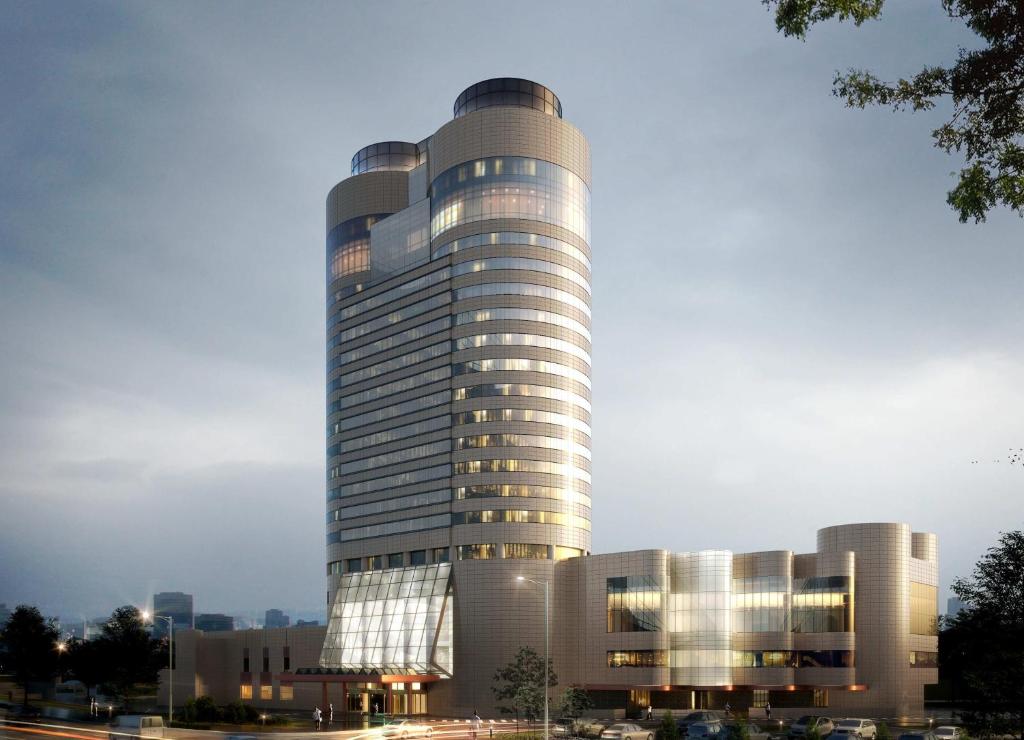
After the show, your first decision should not be whether you can still catch the last train
Concert-day timing is hard to compress. You may queue early before entry, and thousands of people can head toward the same exits and transit stops when the show ends. If your room also requires two or three transfers, energy, crowding and the last train become part of the cost of the hotel. The point of staying in or next to Olympic Park is not bragging rights about distance; it is reducing how much of the final leg depends on the train clock, crowd flow and whatever battery is left on your phone.
Close does not mean automatic. Check the event entrance, expected exit flow and direction back to the hotel before the show. If one traveler wants to leave early and another waits for friends, the ability to return separately can be more valuable than shaving a few theoretical minutes off the map.
If the concert is only one night, decide whether moving hotels is worth protecting that night
On a four- or five-night Seoul trip, accommodation does not have to follow a one-night event. Packing, changing hotels, re-learning the area and losing part of checkout day can cost more time than the concert-night return saves. Use our one hotel or two in Seoul guide and put the concert into the whole itinerary before splitting the stay.
A useful way to measure the move is to treat hotel-change day like a half-day activity. Checkout, luggage storage, reaching the second hotel and coming back for bags can eat the exact gaps you hoped to spend sightseeing or resting. Parktel becomes more persuasive when the next day also uses Songpa, Jamsil or Olympic Park—or when you are leaving Seoul soon after the show.
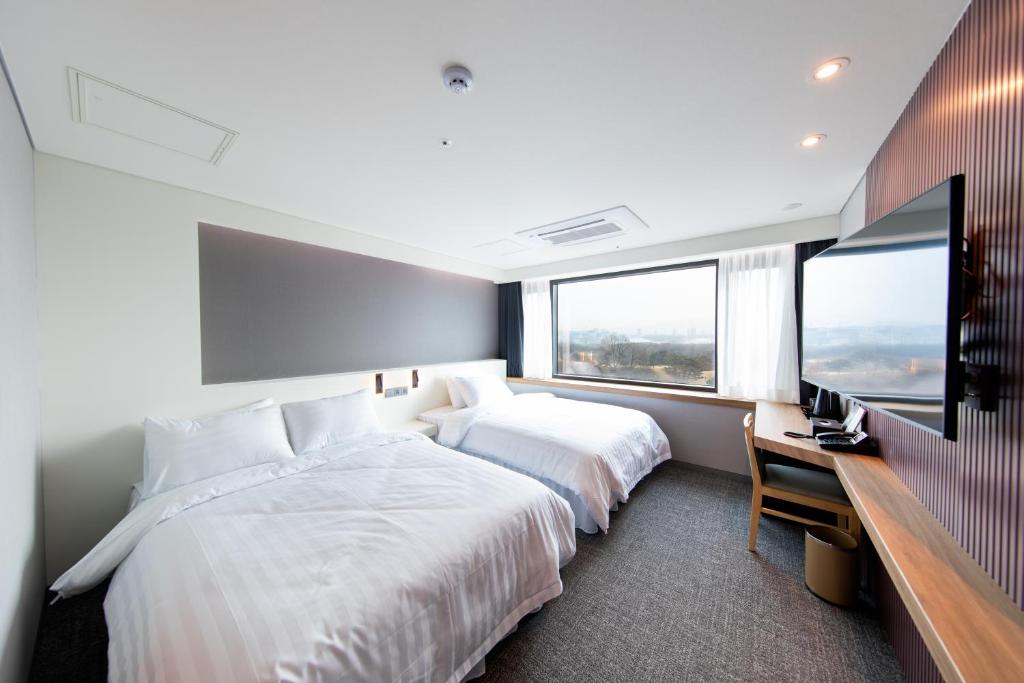
For concert travel, a workable room matters more than whether the room feels new
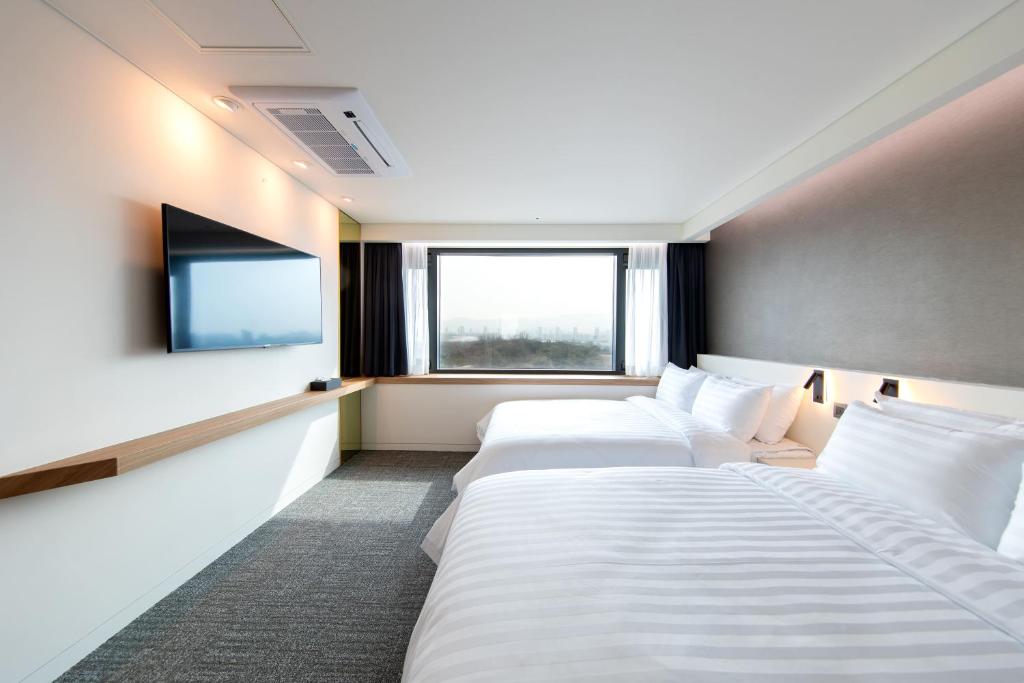
One person may queue for merchandise in the morning, another may arrive in the afternoon, and someone may still be sorting photos long after the show. Concert trips rarely put everyone on the same sleep schedule. For three travelers, check what the third bed actually is and whether open luggage still leaves a usable path. For two, ask whether one person can get ready without lighting up the whole room while the other sleeps.
Will staying in southeast Seoul turn your non-concert days into commuting days?
Olympic Park is not Myeongdong or Hongdae, where a first-time visitor can step outside and stack dense sightseeing, shopping and nightlife into the same immediate area. If you also want Jamsil, Seokchon Lake or Lotte World, the base can work naturally. If every morning begins in Jongno or western Seoul, you are trading repeated daytime travel for certainty on the event night.
One concert may not justify relocating your whole trip. Two consecutive event days, rehearsals, pop-ups or companions moving on different schedules make a venue-side base more valuable. Compare that pattern with the broader Seoul neighborhood guide rather than judging the hotel by straight-line distance alone.
A short walk home still does not replace an event-day transport and weather check
Venue exits, walking routes and crowd-control plans can change for event days. Recheck the organizer’s latest notice shortly before the show and save the hotel, entrance and meeting point on your map. Rain, a low phone battery or a tired companion can make a short final leg far more valuable—but the hotel does not remove the need to plan.
The night before the concert matters almost as much as the night after it
Concert accommodation can solve more than the return trip. If you need to collect tickets, buy merchandise early, change clothes, organize fan gear or leave bulky luggage behind, a nearby room lets you leave when you actually need to instead of building a huge transport buffer into the morning.
Keep entry essentials—ticket, ID, battery pack and rain gear—with you, while shopping bags and backup clothing stay in the room when permitted. If luggage storage or room readiness is important before check-in, verify the hotel’s current policy rather than assuming the front desk can always hold everything on your schedule.
Going back to the room first does not mean the night is over
Groups often split after a concert. One person wants food and another wants a shower immediately. A nearby hotel makes that split easier: the tired traveler can return independently while others continue the evening, instead of everyone being forced through the same crowded long transfer.
Do not assume every late night around the park has the same dining or convenience-store options. Check what will actually be open after your event. The useful thing about a venue-side hotel is that it leaves you a choice, not that it guarantees unlimited nightlife.
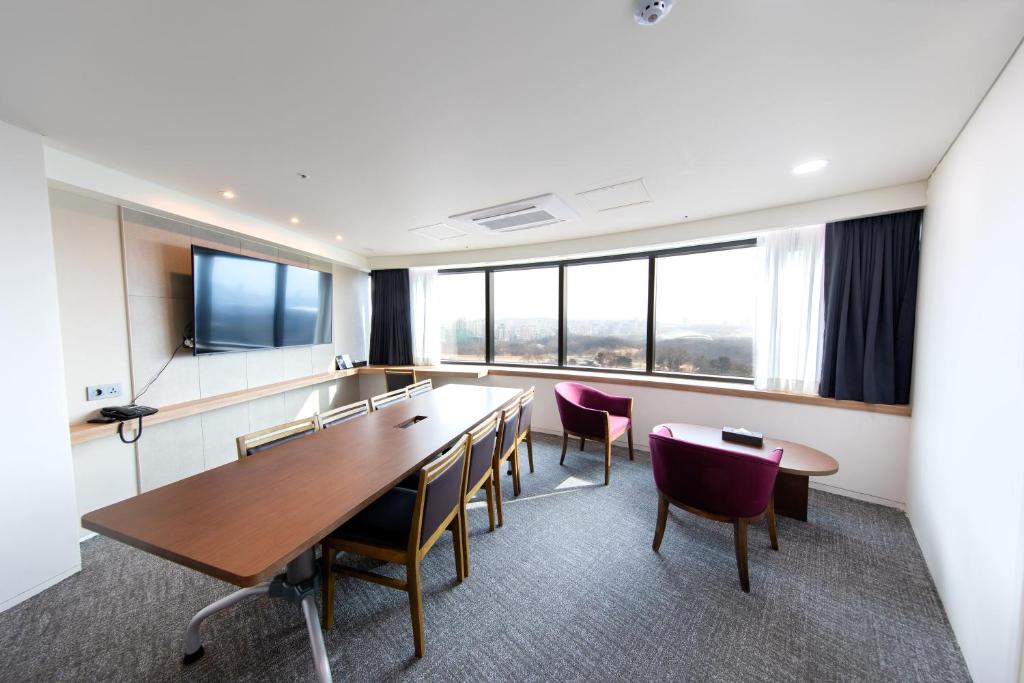
On departure day, do not let concert-night convenience become a luggage penalty
If you leave for Incheon, Gimpo, Seoul Station or another city the next morning, test the hotel in reverse. A short return after the show does not automatically mean the easiest suitcase route the next day. Include the first subway segment, transfers, luggage handling and your companions’ pace before deciding.
A good concert hotel should handle three jobs: help you arrive without panic, let your group split up safely after the show, and avoid creating regret on checkout day. Parktel is especially strong on the first two. The third still depends on your flight, train or next city.
If you also want a more neighborhood-based Songpa stay, compare Delight Hotel Jamsil before deciding which part of the night you most want to protect.
Compare price last—and only after matching the exact room
Event-night rates can move quickly. Fix the dates, guest count, room name, bed type, breakfast, payment timing and cancellation deadline before comparing Booking.com, Agoda and Trip.com. If one term differs, it is not the same product.
If the ticket, show time or onward flight is not fully locked, a cancellable rate may be worth more than a lower headline price. Confirm the property name Seoul Olympic Parktel and the address 448 Olympic-ro before paying.
More reading