
The short answer: Palgongsan Cable Car is worth taking when you have a real mountain afternoon—not when you have two spare hours and a summit photo in mind. The ride is roughly seven minutes one way, but it does not remove the city-to-mountain transfer, the queue, the summit walk, weather or the last ride down. Pair it with Sky Garden and the Donghwasa direction; do not make the cable car a rushed return from central Daegu.
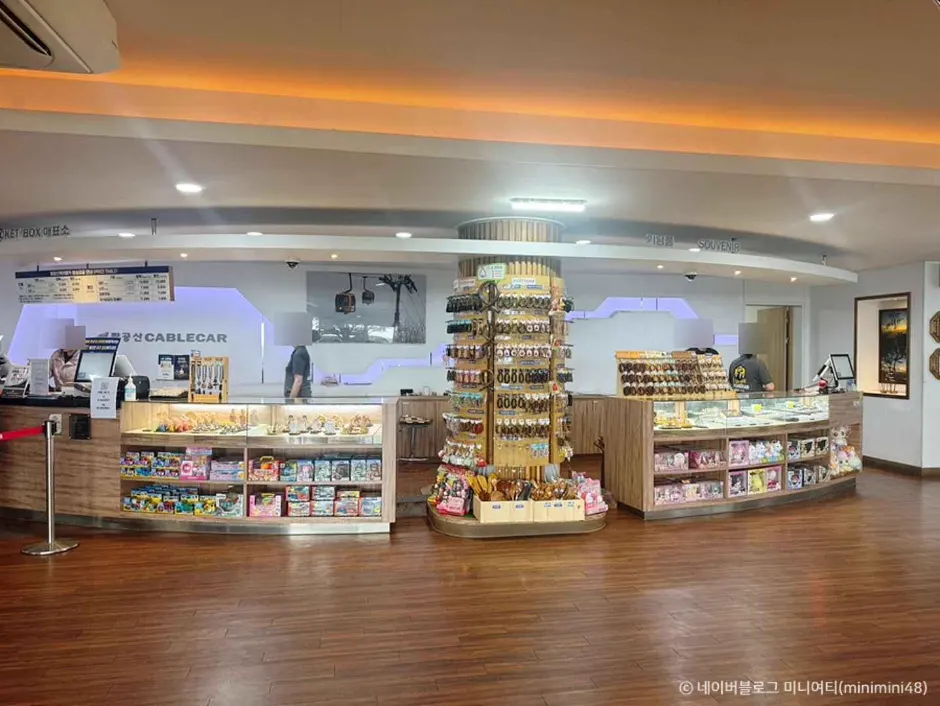
- CITY-TO-MOUNTAIN: have you counted the bus and final approach from Daegu?
- LAST-RIDE: have you checked this month's final ascent and descent, not an old guide?
- SUMMIT-WALK: does your group want exposed outdoor walking after the ride?
Seven minutes is not the whole trip
The cable car carries visitors about 1.2 km and the ride is commonly listed as around seven minutes. That only covers the slope between stations. From central Daegu, transport, waiting, boarding, walking at the top and returning are the actual half-day. Use the Daegu one-day itinerary to decide whether today is a city day or a mountain day; mixing both without time is how a free-looking view becomes a rushed transfer.
City access determines whether you can arrive calmly. The last ride determines whether you can stay. The summit walk determines whether the experience suits the weather and your group. Do not turn a cable-car ticket into a guarantee of an effortless mountain afternoon.
Who should go?
Go if you want mountain air and views, can keep the afternoon flexible and are happy to walk after the cable car. Pause if weather is poor, a child or companion dislikes exposed paths, or you need to be back in town for an immovable reservation. Visitors without a car should read Daegu without a car before assuming the mountain is a short subway detour.
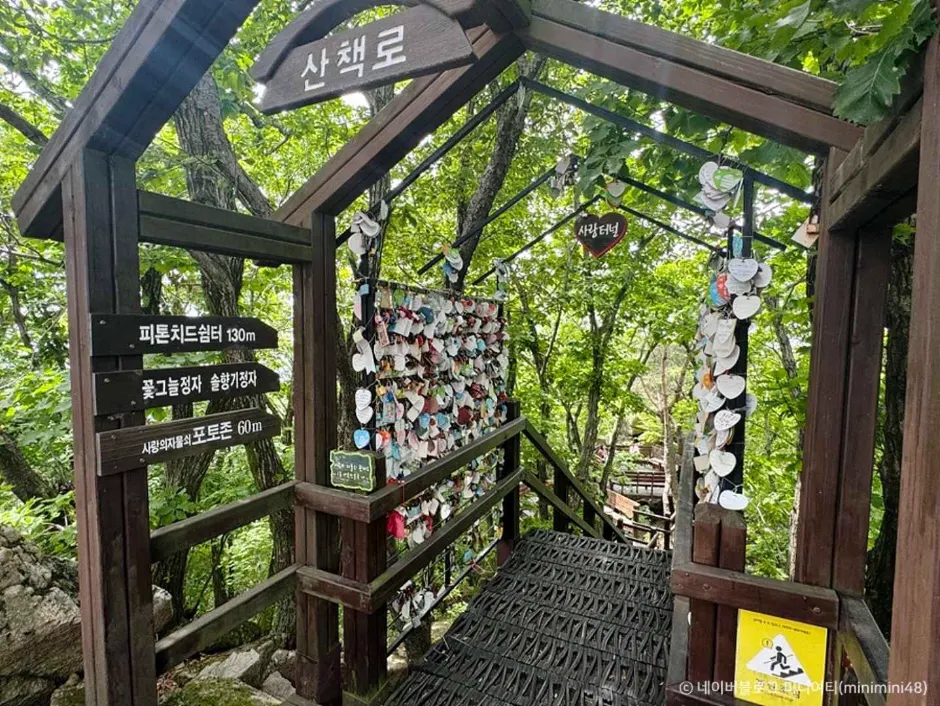
Prices and final rides must be checked on the travel date
Official pages from different periods can show different prices and opening descriptions. Treat the seven-minute ride and mountain setting as stable planning facts, but verify current fare, service day, final ascent and final descent directly before leaving. Wind, rain, visibility and maintenance can affect the experience; a printed time in an old blog is not a promise.
Pair it with Donghwasa only when the direction holds
Donghwasa and Palgongsan can form one mountain-side plan. They should not become two separate crossings from the city centre. If rain changes the day, use the Daegu rainy-day plan rather than waiting on a mountain for conditions to improve.
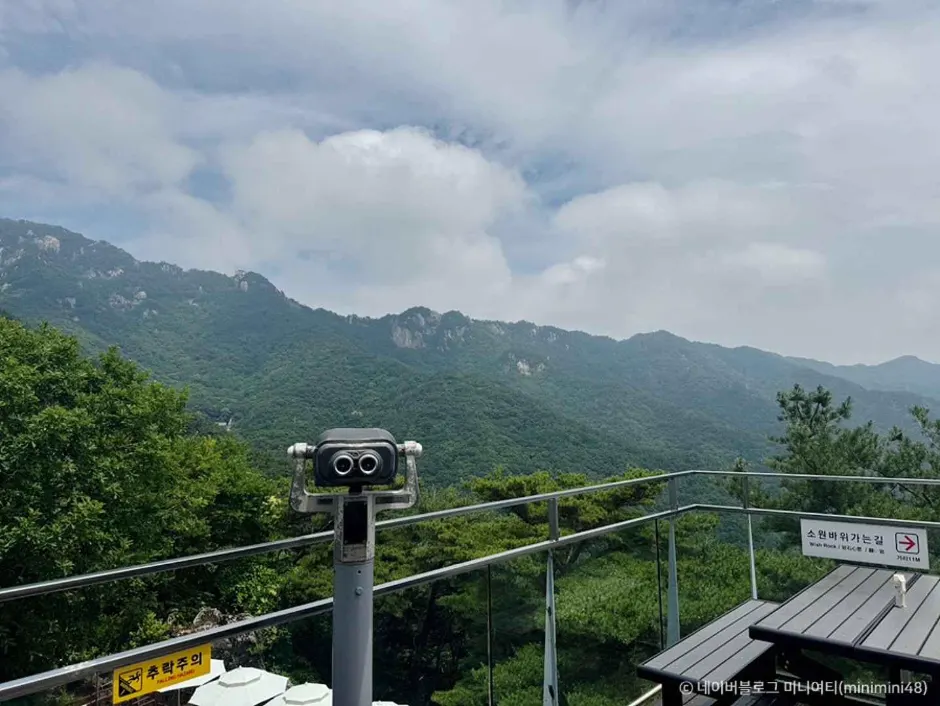
Before leaving
- Check current fare and final rides directly.
- Count city bus transfers and the return.
- Check wind, rain and visibility.
- Decide whether Donghwasa belongs on the same direction.
- Carry a weather backup.
Worth it: you hold a full mountain afternoon, have checked the last ride and want a scenic walk. Skip today: you only have two hours, have not confirmed operations, or conditions make outdoor walking unattractive.