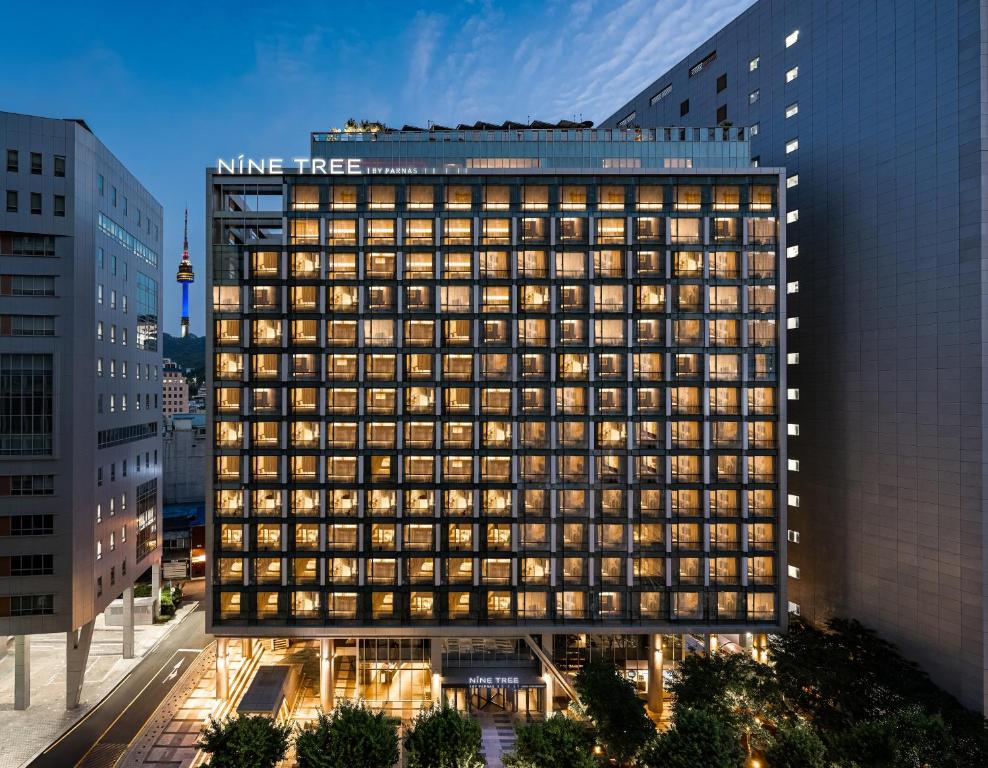
The value of two subway lines is not more choices, but not repeating the same mistake every day
Euljiro 3-ga only becomes convenient when your itinerary is actually spread out. In the morning you might be in Gwanghwamun or City Hall, head to Dongdaemun or Seongsu in the afternoon, and only return to Myeongdong for dinner at night. In that kind of trip, Line 2 and Line 3 are not decoration on a map; they give you room to change your return route based on your final stop. On the other hand, if every day is locked into Hongdae or Gangnam, putting your hotel in the city center only makes you keep doubling back. Before deciding whether dual-line access really saves you trouble, first use whether to stay in one hotel or split between two to rule out unnecessary hotel switching.
This is not the same question as Sotetsu Myeongdong’s City Hall / Hoehyeon return route. Sotetsu suits people who are still moving between Namdaemun, City Hall, and Myeongdong late in the evening; the real question with Nine Tree is whether you will use Euljiro 3-ga as your daytime pivot point. If you treat the two as the same just because they both have "Myeongdong" in the name, you will end up comparing fake prices shaped by different room types and cancellation terms.
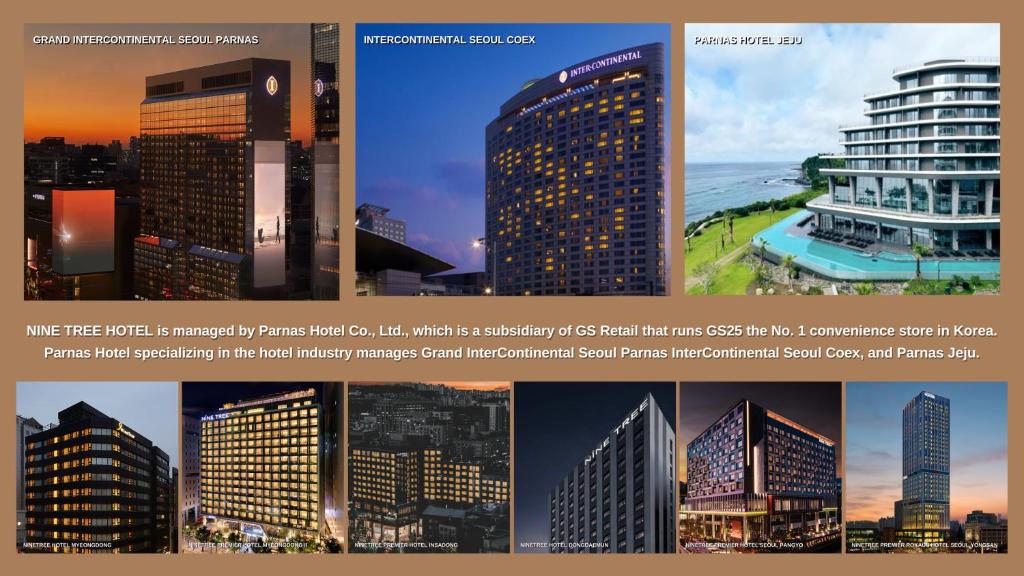
When traveling as a group, first deal with who will go back to the room first
For families or friends traveling together, the usual situation is not going out together and sleeping together, but one person getting tired first, another wanting to keep shopping, and someone buying too much and needing a place to drop things off. This hotel makes sense because going back to the room and then heading out again does not have to cut the night in half. But that still needs enough bedding and a workable bathroom rhythm. Do not rely only on the platform label that says it can sleep three people; use the triple-room checklist to confirm the third bed, luggage flow, and the order of morning and evening showers. If the room type already fails, no station name can save the fatigue the next day.
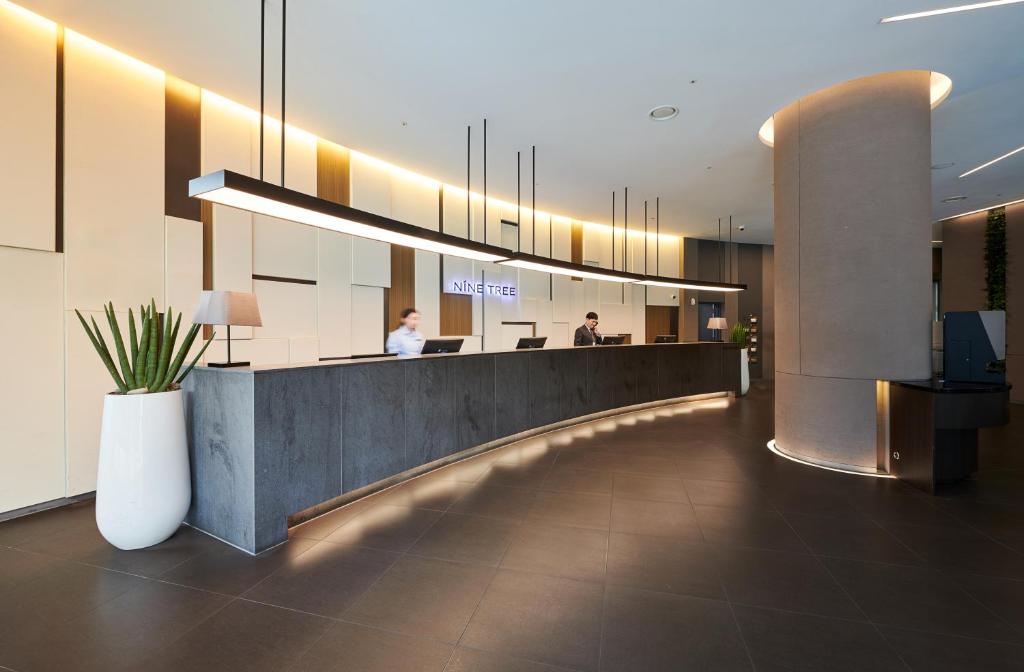
On arrival and departure days, count the last stretch, not the line name
When coming from the airport, Euljiro 3-ga is not the automatic answer. Pulling luggage to the exit, crossing intersections, dealing with rain, or needing an elevator for a companion are what really cost you on the first night. Start by checking the last stretch from the airport bus or AREX, and include both pre-check-in luggage storage and post-checkout bag pickup in your luggage plan. If your last day involves a KTX train or an early flight, a transport-hub stay near Seoul Station may fit better; if both nights end with dinner in the city center before heading back, Nine Tree feels more like a base.
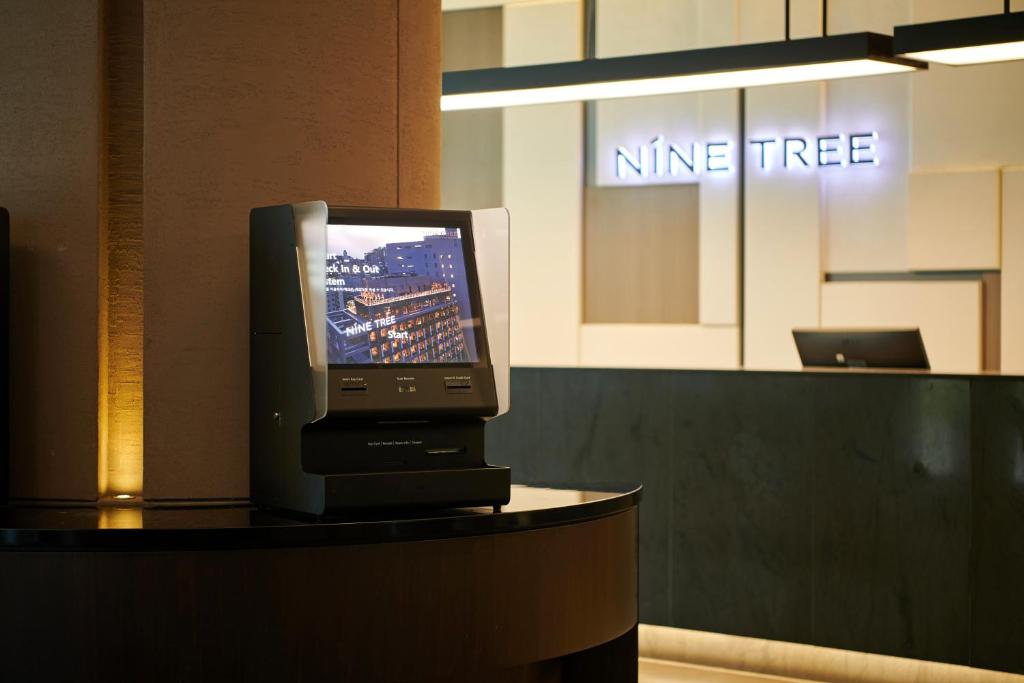
For daytime route changes, judge it by how much patience you still have for the next transfer
Euljiro 3-ga is often reduced to “both Line 2 and Line 3 are convenient,” but that phrase does not tell you when it is actually useful. Imagine arriving from the airport on day one, staying only around Myeongdong in the afternoon, visiting Gyeongbokgung in the morning on day two, going to Dongdaemun in the afternoon, and returning to the city center for dinner at night. In that case, the two lines keep you from having to return to the same major station every day just to transfer. But if you head straight to Jamsil in the morning and finish the day in Gangnam, a central location with dual lines will not magically erase the distance. Before booking this hotel, mark your first stop, last stop, and the one transfer you most want to avoid on each day; if it helps you avoid that transfer, the station name has value.
The most tiring transfers on a trip are often the ones that happen outside the plan. A friend suddenly wants dinner in another area, rain turns an outdoor stop into a department store visit, or someone feels unwell and needs to go back to the room first. Those changes do not follow the best route on your original map. The advantage of Euljiro 3-ga is that it leaves you a point where you can choose a new direction, not a guarantee that every attraction is closest. That makes it suitable for travelers who still want flexibility; if your itinerary is fixed and you only visit attractions on one line each day, you may be better off saving the budget for bedding, cancellation terms, or a district that suits your evening plans more closely.
Staying on the edge of the activity area means deciding who gets to leave first without following the group
In friend trips, the usual friction is not disagreement about sightseeing, but the three needs that appear after 9 p.m.: one person wants to go back and shower, another wants to keep shopping, and a third just wants somewhere to sit. If the hotel is too far from the activity area, leaving early feels like leaving the whole night; if everyone forces themselves to keep going, the next morning gets pushed back as well. Nine Tree’s location works when “going back first” can be an independent option, but only if you really end your night in Euljiro, Chungmuro, or Myeongdong instead of staying out until the last train in another district every day.
That is also what separates it from a pure shopping-area stay. In the busiest part of Myeongdong, the advantage is that you can step out and keep shopping; on the edge of the activity area, the advantage is that after finishing your outing, you can choose whether to join the next round. Neither is better in absolute terms; they just serve different travel rhythms. If you always eat and sleep, the denser option may not be necessary. If you often buy things, drop them at the room, and then go back out to meet friends, the latter may keep the trip moving better than a place that looks more central on paper.
Rainy days and the last day are what show whether this is a temporary stay or a real base
On rainy days, do not just plan indoor attractions; plan how you will get back to the room. When clothes are wet, shopping bags are heavier, and companions want to change shoes or socks, going back once can make everyone miss the next activity, so people often push on until they are even more tired. Write down the lunch, afternoon backup plan, and each person’s end point after dinner for a rainy-day itinerary, then see how many times you would actually pass through Euljiro 3-ga. If the answer is more than twice, the hotel’s location is already taking on real decision-making cost for you. If the answer is none, do not let the words “dual line” distract you from more important factors like sleep and room type.
For the last day, test it in reverse: checkout, luggage storage, the final meal, picking up your bags, and going to the airport—where is the one place you cannot afford to get wrong? If you have a midday or evening flight, staying in the city center gives you a full morning. If you have a very early flight, a KTX departure, or a cross-city transfer, compare the Seoul Station or airport-bus routes again. Do not let the convenience of the first two nights trap the last day. A true base is a place where, even if you see one less attraction, you can still leave smoothly with your luggage.
Do not treat the room as just a box for sleeping; it also decides who can recover first
City-center hotels make it easy to focus only on what is outside, but the order in which the room is used also determines the pace of the trip. Someone may need to shower early, someone may need quiet for a phone call, someone may need to sort purchases, or someone may simply want to lie down for twenty minutes before dinner. These situations separate “a room you can sleep in” from “a room that actually fits your group.” When looking at photos, first ask yourself where the luggage will go, whose bed needs space beside it, and what the other person can do once the bathroom door closes. Those answers are not glamorous, but they stop you from buying a room you need to negotiate over every night.
Do not let a low price on the platform lock in your thinking too early either. If a package is cheaper but the bedding is different, cannot be canceled, the breakfast does not suit your departure time, or you will have to drag your suitcase backward on the last day, it is not the same choice. First put in the three conditions of the latest arrival, earliest departure, and the companion who gets tired most easily; only a room that can satisfy all three is worth keeping. After comparing like that, if only two or three candidates remain, pressing the platform button is confirmation—not getting pulled back into searching again.
Before booking, put the hotel’s full name, address 28 Mareunnae-ro, the number of guests, and the exact room name in the same screenshot, then compare the three platforms against it. This may seem slow, but it helps avoid mistaken bookings caused by same-name branches, different bedding, or different cancellation deadlines. Once the booking is confirmed, do not go back to a broad search page to start over.
If the three platforms give different answers, keep the one with the clearest rules first and do not rush to give up flexibility for a difference of a few dozen dollars. Before a trip begins, the room you can still change is often more useful than the lowest total price you can see.
Only look at price last, and only compare the same room
Once the dates, number of guests, bed type, breakfast, payment currency, and cancellation deadline are fixed, open the three platforms at the same time. If one side is a different room type or a non-cancellable plan, the lower number is not the same product. What you want is a room that can handle a last-minute route change, guests who are not moving at the same pace, and a final day that still ends neatly—not the most eye-catching price in the search results.
Continue planning