
Here’s the short answer you can use right away. If this is your first time in hanbok, you only plan to photograph one palace, and you want to get home without having to explain where the photos were taken, prioritize Gyeongbokgung. If you care more about layered courtyards, wooden architecture, and a quieter walking feel, and you’re planning to continue on to Bukchon or Insadong afterward, choose Changdeokgung. If your group dislikes walking and wants to keep the palace visit within two hours, Deoksugung is easier to finish than forcing a large palace visit. If you’ve already seen Gyeongbokgung and want a looser setting with more trees and water, then consider Changgyeonggung. Gyeonghuigung is not a secret “best value” answer, because regular admission is free anyway; it makes sense mainly if you’re already around Seodaemun or City Hall and just want a short photo stop without crossing the city for hanbok.
All five palaces can work as hanbok backdrops, but they will not give you the same Seoul. Gyeongbokgung puts people into a classic palace scene with its main gate, main hall, stone steps, and broad central axis. Changdeokgung unfolds with the terrain, so photos often include corners, courtyard walls, tree shadows, and deeper space. Deoksugung combines traditional halls on one side with modern stone buildings and city towers on the other. If you only ask which one is prettiest, online popularity usually sends you back to Gyeongbokgung. The real question is what you want left behind the person in the frame.
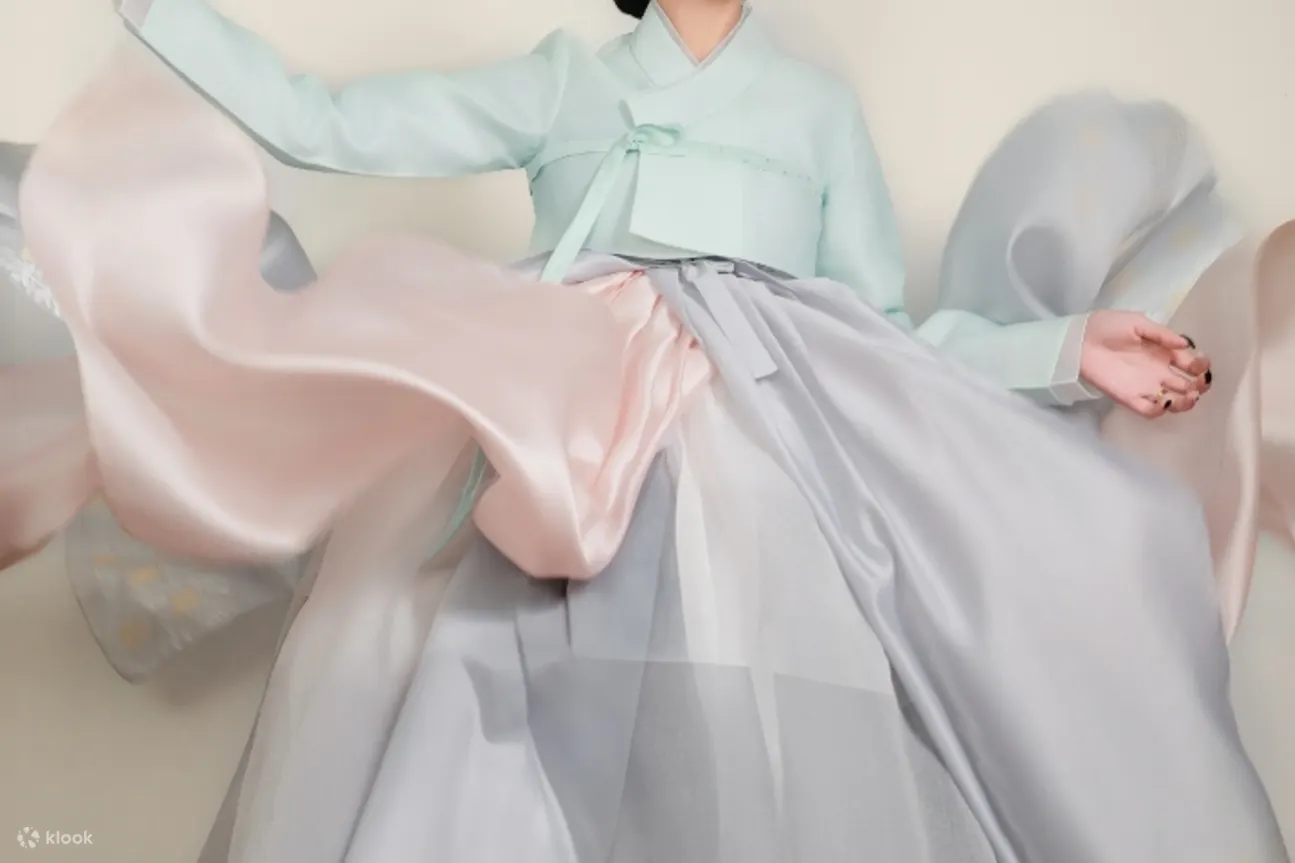
Don’t choose a palace by name recognition first; identify the one thing your photo cannot lose
Open the three reference photos you saved and look only at everything except the person. If what you keep saving is Gwanghwamun, Geunjeongjeon, Gyeonghoeru, and a straight central axis, then no amount of peaceful scenery at another palace will give you the same result. If what you care about is a side-profile shot by a red wall, walking through tree shade, low rooflines, and not having to keep dodging a huge open plaza, Changdeokgung or Changgyeonggung is actually closer. Deoksugung’s special point is not its size, but the coexistence of traditional buildings, stone architecture, and the city center, which suits people who do not want their photos to look completely detached from modern Seoul.
You also need to think about how you’ll shoot. If you’re taking phone photos for one another, what matters more than a famous landmark is the ability to stop, retake, and change angles, so spatial layers matter more. If you have a professional photographer, you can use their familiarity with light and angles to avoid some of the crowds. If you haven’t decided whether you need a photographer yet, first compare what you actually gain from a hanbok-only rental versus professional photography, instead of booking a shooting setup you don’t really need just because “Gyeongbokgung is the classic choice.”
| The scene you want to keep | Which palace to choose first | What you have to accept | The most natural follow-up route |
|---|---|---|---|
| Large-scale main hall, palace gate, and instantly recognizable Seoul | Gyeongbokgung | Busy during peak hours, often waiting for a clear shot, usually closed on Tuesdays | Seochon, Samcheong-dong, or Gwanghwamun |
| Tree shadows, courtyards, roof tiles, and a more story-like walk | Changdeokgung | Secret Garden is not an extension of ordinary admission; you need to check the separate schedule | Bukchon, Insadong, or Ikseon-dong |
| Traditional palace buildings and modern city in one frame | Deoksugung | The grounds are compact, so you won’t get Gyeongbokgung-style grandeur and a long central axis | City Hall, Jeongdong, or Namdaemun |
| A looser palace environment and family members who don’t want to fight for photo spots | Changgyeonggung | There are fewer iconic landmarks, so the photos may not be immediately recognizable | Daehak-ro, or connect it with the outer area of Changdeokgung |
| Only a short photo stop, with no desire to cross town for one palace | Gyeonghuigung | The photo area and background density are limited, and regular admission is already free | Seodaemun, Seoul Museum of History, or Gwanghwamun |
Gyeongbokgung makes hanbok the star, but it also magnifies your waiting time
Gyeongbokgung’s strengths are straightforward: the architecture is large, the visuals are easy to recognize, and just around Gwanghwamun and Geunjeongjeon you can get a variety of frontal and side-angle backgrounds. If it’s your first time in hanbok and nobody in your group has a strong palace preference, that directness matters. Hanbok rental shops are also concentrated nearby, so it’s easier to compare packages, sizes, and styling options. If your only goal is a set of classic palace photos, there’s no need to switch elsewhere just to seem different.
The downside is equally straightforward. During popular morning hours, you may run into tour groups, changing crowds, and photography teams at the same time. The wide scene you see in photos may not be open for you to use immediately when you actually shoot. If your companions dislike being watched or lose patience when retakes pile up, a grand backdrop may only produce stiffer expressions. Gyeongbokgung is usually closed on Tuesdays, and national holidays or special events may change access further; don’t assume the gate must be open just because the rental shop is operating all year. Night openings are separate events and should not be treated as the same as ordinary daytime free admission.
If you’re choosing Gyeongbokgung, first work out the time difference between a two-hour hanbok plan and a half-day plan: if you only stay around the main hall for two or three spots, a short rental is enough. If you also want Gyeonghoeru, the northern gardens, and then a stop in Seochon or Samcheong-dong, you need four hours or half a day for breathing room. Don’t mistake crowding and waiting for an unexpected problem; they are part of the cost of choosing the most representative backdrop.
Changdeokgung is not a less famous version of Gyeongbokgung; it asks you to give up the idea of “one shot and done”
Changdeokgung unfolds along the terrain and courtyards, and its best images often appear while walking: a gate framing the next courtyard, a roof ridge peeking around a corner, tree shadows falling on sleeves. These photos do not prove the location through a single grand hall; they use the space to wrap around the person. Couples, solo travelers, and anyone who is tired of yet another straight-on standing shot usually get more out of its layers. Since Bukchon, Insadong, and Ikseon-dong are all nearby, you don’t need to cross town right after changing out of hanbok, which makes it easier to build the palace visit into a half-day route.
But “go to Changdeokgung” and “definitely enter the Secret Garden” are two different decisions. The Secret Garden has separate visiting arrangements, time slots, and on-site rules, and access can also change because of weather or maintenance. Wearing hanbok may meet the palace-area free admission rule, but that does not mean the special Secret Garden visit is automatically free or that no reservation is needed. If you only rented for two hours and treat the Secret Garden as mandatory, you may end up compressing outfit selection, walking, admission, sightseeing, and returning the clothes into one countdown. If you really want the Secret Garden, first check official same-day information for capacity and timing, then work backward to the rental; don’t let the clothes decide the itinerary first.
Changdeokgung is usually closed on Mondays. It is close to Changgyeonggung, but that does not mean you should try to collect both palaces in the same hanbok session. Crossing over, finding another entrance, and resetting your route all eat into both photo time and rest time. Only combine the two if you have enough rental hours and you genuinely want both spaces of the Eastern Palace. Otherwise, choose Changdeokgung and let Bukchon or Insadong carry the walk afterward; the story of the photos will be more complete than simply saying you entered two palaces that day.
What Changgyeonggung and Deoksugung do best is let your group stop forcing the most popular answer
Changgyeonggung works well if you have already seen Gyeongbokgung, or if you don’t need every photo to feature a famous landmark. Its grounds, trees, and water give the images more breathing room, and for families it’s easier to alternate between walking, resting, and taking photos. But if everyone in your group is expecting Gwanghwamun and Geunjeongjeon, then persuading them to choose Changgyeonggung just because “there may be fewer people” can still leave you feeling like the one photo you wanted is missing. Fewer people is not automatically a win; it only works when you’re willing to trade recognition for pace.
Deoksugung is the practical option for a shorter time budget. From the City Hall area, the palace grounds are more compact than Gyeongbokgung’s, and the traditional halls plus stone architecture create a rare contrast. If you do not want to spend the whole morning walking a large area in hanbok and still have to go to Myeong-dong or Namdaemun afterward, it fits more easily into an existing route. It is usually closed on Mondays, and some buildings or special exhibitions may have separate opening conditions. If what you want is a broad palace wall, layered gates, and a royal-axis feel, Deoksugung will not suddenly become Gyeongbokgung just because it’s more convenient. But if you want the hanbok photos to still show modern Seoul in the background, it may actually be the most distinctive option of the five.
These two palaces make one thing clear: a palace is not a ranking, but a container for travel pace. Seniors, children, or companions who dislike heat do not gain extra stamina because the backdrop is more famous. If someone can only comfortably walk for ninety minutes, choosing a palace that fits within that window for changing, key shots, and the return trip often leaves you with better photos than trying to fill a four-hour rental.
What usually decides whether you go overtime is which side of the palace the rental shop sits on
Even when a shop is described as “near the palace,” five minutes’ walk versus fifteen minutes’ walk becomes twenty minutes round trip. Add finding the basement entrance, storing your belongings, waiting to change clothes, and returning the outfit, and a short rental plan shrinks fast. Don’t just look at the shop name; put the rental shop, palace entrance, final photo spot, and return route on the map together. If the shop is near Changdeokgung but you switch to Gyeongbokgung on the spot because it is more famous, any money you saved on rent may be paid back in walking time and overtime stress.
Clothing also changes walking. Skirt length, shoes, winter layers, summer sun, and having to hold a phone or bag all make the fifteen minutes shown on a map feel different from the same fifteen minutes in normal clothes. If you still want to eat after taking photos, prioritize a route where you can return the hanbok before sitting down. Don’t wear a set that stains easily and then try to finish a long lunch while worrying about cleaning fees the whole time. If one person in your group is not wearing hanbok, give them a stretch of free time in a café or neighborhood rather than expecting them to wait through the entire outfit selection process.
Closing days can remove the answer for you, and weather can reorder the answer
In general, Gyeongbokgung is closed on Tuesdays; Changdeokgung, Changgyeonggung, and Deoksugung are closed on Mondays. National holidays, palace cultural events, or temporary maintenance can still change things. This is not the kind of information you check once a month ahead and consider done. You need to check official notices again the night before wearing hanbok. If the only usable morning happens to fall on a closing day, do not force the rental and then go hunting for a substitute backdrop at a shut gate. It is usually better to switch palaces, move to an indoor shoot, or move the hanbok outing to another day than to lose time carrying clothes around unexpectedly.
Sunny weather is not the only good photo weather. Overcast skies reduce harsh facial shadows, and wet roof tiles after rain can look beautiful. The real problems are heavy rain, strong wind, extreme heat or cold, and slippery ground. Gyeongbokgung’s large scale means shade and indoor rest may not be where you need them; Changdeokgung and Changgyeonggung also bring slopes, fallen leaves, or damp areas into the equation for shoes and walking. When the weather is unstable, keep a cancellable or adjustable plan, and save a screenshot of the hanbok rules and exceptions for palace admission; don’t reach the ticket window only to discover that outerwear, styling, or special-event rules are different from what you expected.
The goal is not to compare all five palaces; it is to know what you are willing to give up
In the end, write your decision in one sentence. If you want a photo that makes it obvious at first glance that you were at a palace in Seoul after coming home, choose Gyeongbokgung and accept the crowds and the longer walk. If you want the person in the frame to look naturally immersed in courtyards and tree shadows, choose Changdeokgung and accept the separate Secret Garden arrangement. If you want something short and complete, with a quick return to the rest of your afternoon in the city, choose Deoksugung. If you want looser space and do not want to fight everyone for the same composition, choose Changgyeonggung. If you only want a brief stop along the way and your route is already around Seodaemun or the west side of Gwanghwamun, then choose Gyeonghuigung.
Once you decide, do not reopen the choice with “maybe another palace is prettier.” Check the palace’s opening status for the day, the exact rental-shop location, available sizes, when the rental timer starts, whether hairstyle and accessories are included, overtime fees, and cancellation rules. Then save only the two or three photo scenes that that specific palace can actually deliver. What you are giving up is not four palaces; it is the morning spent chasing between the subway and the entrance in hanbok, only to end up with every photo taken in a hurry.
Put the palace back into the same hanbok morning
After choosing the palace, there are four more decisions you should not leave until you get to the shop
- Decide whether your route fits in two hours, four hours, or half a day
- Choose between taking the photos yourself or leaving them to a photographer who knows palace angles
- If rain is in the forecast, decide between outdoor shooting, hanok indoor shooting, or changing the date
- After picking the palace, decide whether the history tour or free-form photography should take the lead
- Go back to the Seoul experience map so you don’t cram another fixed activity into the same day
Sources and verification
- Royal Palaces and Tombs Center, Korea Heritage Service: Hanbok free admission rules
- Royal Palaces and Tombs Center, Korea Heritage Service: palace visiting information
- Royal Palaces and Tombs Center, Korea Heritage Service: Changdeokgung and Secret Garden introduction
- Klook: Miso Hanbok Changdeokgung nearby rental listing
- GetYourGuide: Hanboknam Changdeokgung hanbok rental listing
- Closing days, Secret Garden time slots, special night openings, rental inclusions, and cancellation rules can change. This article was checked in August 2026, but you should still use the latest notices on each palace and the exact product page before you go.