
When people search for Nami Island, the first results are often cherry blossoms, green shade, golden rows of trees, the first snow, or nighttime lights. Those photos make it feel as if, if you’re going in that month, you should pack in the garden, rail bike, and island all at once. The real decision is smaller: what kind of seasonal scene do you actually want to see? Does it need daylight, or only after dark? And how much island time and buffer back to Seoul are you willing to give up for it? Only when scenery becomes something you can trade off against other things does the season stop turning into an excuse for a multi-stop package.
First, separate “I want fall colors” into island tree rows, a garden, or night lights
The timing conditions for these three wishes are different. If you want to stroll slowly on Nami Island and take in tree shadows and the riverside, the key is having free time during the day. If you want to see the Garden of Morning Calm or another garden, what matters is that park’s current scenery and opening status. If you want winter illuminations, you have to accept a later return to Seoul and the cold. They can all exist on the same day, but not all in their fullest version. First pick the one image you would regret missing most after you get home, and treat the rest as optional instead of the other way around.
If the answer is the island’s tree scenery, choose a simpler itinerary or go independently, so you have room for crowds, lunch, and weather. If the answer is a garden or nighttime lights, then choose a tour that includes the designated park and accept that Nami Island may only be a shorter stop. This is not about doing less; it’s about letting the season show up where it actually matters. A comparison of Nami Island-only and multi-stop options can help you check the current products once your main priority is clear.
Bloom timing and foliage are not bookable services, so your itinerary needs a backup you can live with
Seasonal scenery is affected by temperature, rain, wind, and the actual state of blossoms or leaves. No photo from last year can guarantee the same lushness on the day you arrive. When planning, don’t write “definitely photograph the colored trees,” but rather “if the blooms are ordinary, I’m still happy to walk on the island, eat, and take the ferry.” If your only backup is “if the flowers aren’t out, it’ll feel like a wasted trip,” then the whole day is tied too tightly to a single image.
In the days before departure, check official notices again, along with any seasonal alternate stops from the operator and the latest weather. Don’t rely only on old reviews on a travel platform. If the scenery is not what you expected, leave the afternoon for a city café, head back to the hotel early, or choose an indoor experience instead of forcing in another faraway stop. What really reduces disappointment is not buying one more stop; it’s allowing yourself to change the answer in advance.
In rain, Nami Island is not automatically off the table — but the cost of extra stops goes up
With light rain, only brief outdoor time, or if your group is mainly there for the boat ride and a meal, Nami Island may still work. But with steady rain, strong wind, low temperatures, or children who already dislike getting wet, the core value of a slow walk on the island drops. At that point, don’t ask first “Can we still go?” Ask instead “If we do go, what are we still getting out of it?” If all that remains is getting on and off the vehicle and taking one umbrella photo, it may not be worth giving up your only out-of-town day.
Multi-stop tours are even more sensitive to rain, because every extra stop means another round of opening umbrellas, queuing, staying warm, and resetting everyone’s mood. Rail bikes, animal parks, and gardens each have their own operating and fallback rules; the fact that one of them is running as usual does not mean the whole tour is unaffected. Read the exact rain policy on the product page first. If you can’t accept alternative stops or a cold, wet outdoor experience, then reschedule or go back to the Seoul experience overview and choose something you can do in the city.
In winter, the easiest thing to underestimate is not the snow, but how early it gets dark and how tired you’ll be on the way back
A winter trip to the outskirts can bring clear bare branches, cold air, and nighttime lights, but it also means you need to factor in warmth, daylight hours, slippery paths, and fatigue after returning to the city much earlier. If the lights are the reason, a late return to Seoul is part of the trade-off and you should not add an evening show on top of that. If you only want to see winter Nami Island, finish during daylight and keep dinner near your hotel. Don’t let “winter is rare” become the reason everyone spends the whole day being cold.
Likewise, peak spring and autumn periods often come with crowds. A lot of people does not mean the trip fails, but it does mean you need to let go of expecting every photo to be empty, confirm your meeting and return buffer early, and compress your must-shoot spots to one or two. Treating crowds as part of the seasonal cost actually helps you spend less time fighting reality on site.
In summer, put heat, afternoon thunderstorms, and hydration before “whether the photos look good.” Shade on the island may make walking pleasant, but the ferry landing, meeting points, and movement between attractions are not always under cover. If it’s hot that day, adding the rail bike and a garden together does not become easier just because the scenery is green. Write your departure time, clothing, water, indoor breaks, and whether you can return to the city earlier into the plan, so a day meant to escape the city doesn’t become a different kind of heat endurance test.
A seasonal park is only worth cutting Nami Island short for when the park itself is the point
Gardens, ice valleys, berry stops, illuminations, and other seasonal add-ons are easy to describe as limited-time bonuses, but each one still requires travel time, walking, and admission. If you are setting out for that park, it is reasonable even if Nami Island becomes only a short stop. If you only like the name because it sounds pretty, don’t let it replace the island time you originally wanted for a slow walk. The most practical screening question is still: if I take Nami Island out of the plan, would I still buy a ticket for this park?
If the answer is no, then remove it from the plan. The freed-up time can be used to absorb the ferry, lunch, crowds, and the return trip, instead of filling it with another optional ticket. What makes seasonal activities appealing is that they give the trip a sense of “right now”; if you end up chasing one transfer after another for them, all that remains is a place name on a product page.
Before booking, also separate “free cancellation” from “can be changed casually.” Some itineraries require a fixed meeting time, and some seasonal stops appear only in a specific option. Even if cancellation is possible, that does not mean you can swap the garden for an extra hour on Nami Island on the day itself. Write down the flexibility you actually want in concrete terms — can you change the date, how are late arrivals handled, is there an alternative stop in bad weather — and then read the product details. That tells you much more clearly than the cancellation deadline whether you truly accept the weather risk.
Use three columns before paying so the weather doesn’t quietly change the product for you
The first column is the date: is the park open that day, and is there clear information about the scenery or lights you want? The second column is the terms: what happens if it rains, the weather turns bad, or a seasonal substitute is used? The third column is the return: where will you be before or after dark, when are you getting back to Seoul, and how will dinner and your hotel fit in? If one of the three columns depends on guessing, don’t pay early just because it’s “seasonal.”
Keep two versions in mind at the same time: the ideal version and the acceptable version. The ideal version might be golden rows of trees under clear skies; the acceptable version might be walking slowly under cloudy skies, taking fewer photos, and returning to the city earlier. When both versions are worth going for, the season is adding value. If only the ideal version counts as success, this day is better saved for a more weather-stable itinerary. That distinction helps you place loss aversion back in a realistic spot before you leave.
Once you can clearly say “I’m accepting a late return for the nighttime lights” or “I only want to walk the island’s autumn tree rows and not add a garden,” then go ahead and check the named Nami Island itineraries. If you’re still imagining that every seasonal scene will appear, go back to the Nami Island main decision hub and choose the day’s main character again; no package can make the weather, lighting, and transport all line up exactly the way you want. Putting your expectations into an itinerary with room to adjust is what keeps a single photo from trapping you.
The season should only add to your main priority
Once you’ve confirmed the scenery, return to the real trip decision
- See whether it’s worth giving up a full day in Seoul
- Compare slow walks on the island, gardens, alpacas, and multi-stop options
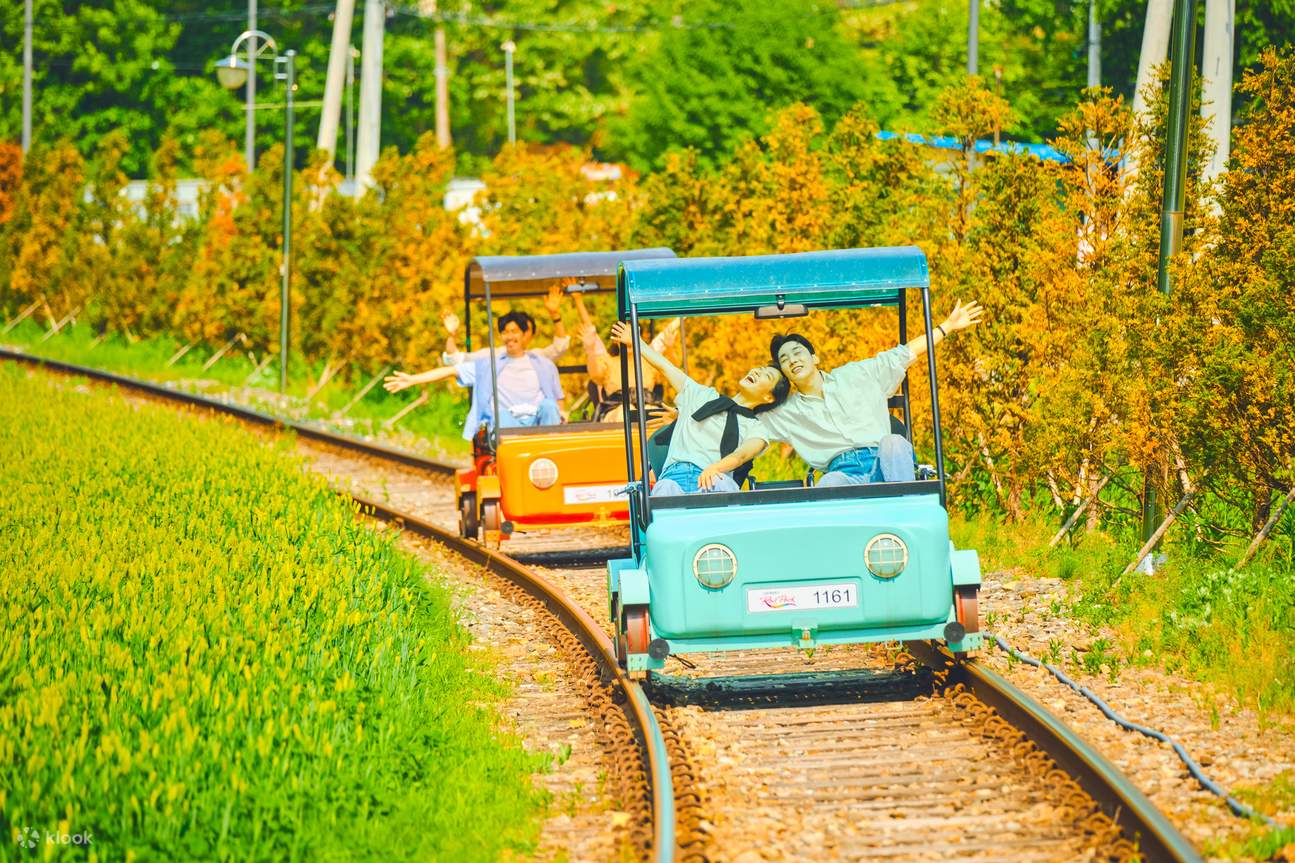
- Whether the rail bike is still worth keeping in this weather
- How to keep seasonal spots from eating into nap time and patience when traveling with children
- If it’s raining or you’re not leaving the city, choose a Seoul indoor experience instead
Sources and checks
- VISITKOREA: Nami Island visiting and transport information
- Klook: product pages for Nami Island, the Garden of Morning Calm, and nearby day tours
- Nami Island: official notices and current events entry point
- Blossoms, foliage, lights, weather, park opening status, seasonal alternative stops, meeting arrangements, and cancellation terms can change. This article was checked in August 2026; please reconfirm the official information and the exact product page before paying.